


Combination Door

Doors Patterns
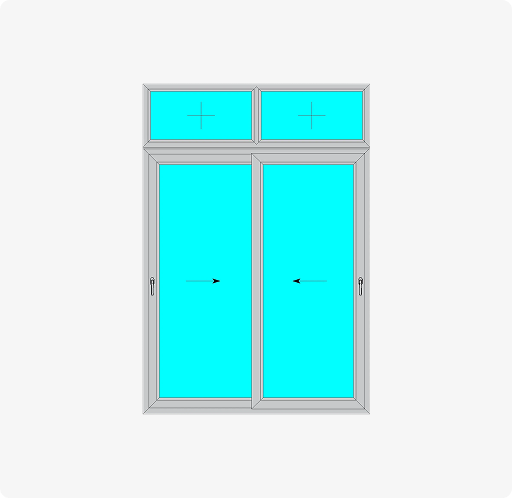
Sliding Door With Top Fixed
Our Wide Range Of Collections
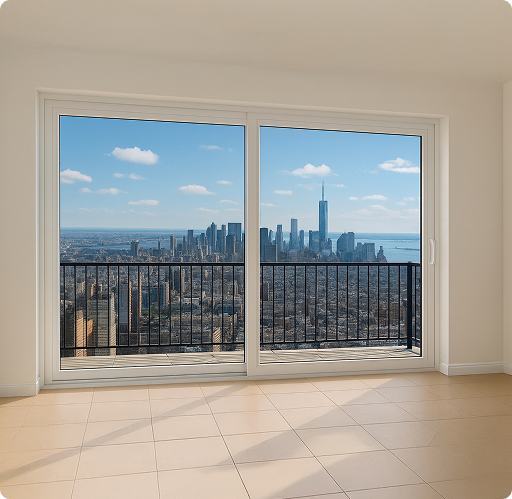
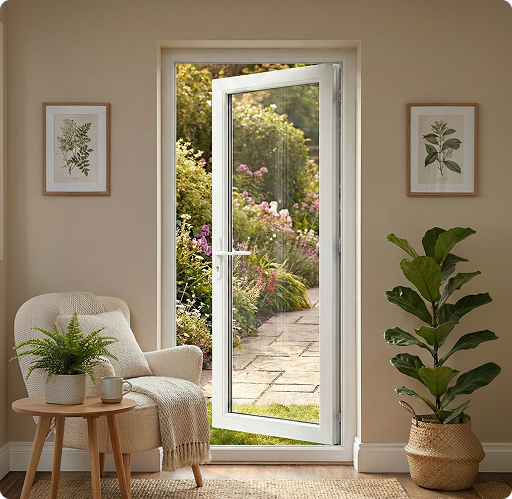
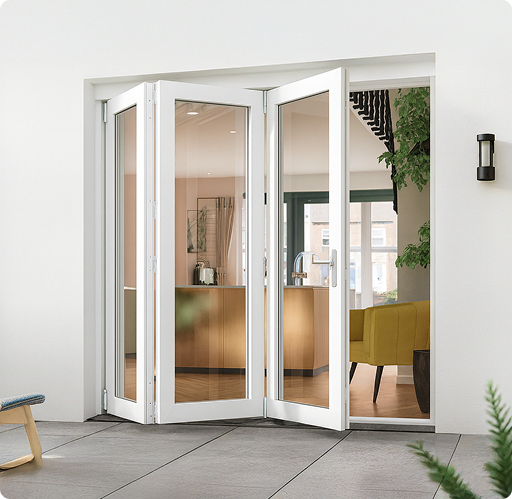
uPVC Combination Doors for Tall Openings
A upvc combination door is a structural system, where one frame holds a moving door panel and a fixed glazed section together. Griham describes its combination uPVC doors as ones that integrate sliding panels with fixed sections in one frame for entries requiring panel access and fixed glazed areas. The category exists because a standard door leaf has a practical height limit. A 7 foot opening does not need this, but once an opening runs taller, splitting it into a moving panel plus a fixed section is the sound way to build it. This is where the construction of combination doors earns its place among Griham's modern upvc doors, built on the profile used across its upvc doors.
Matching the Configuration to Your Opening Height
Choosing a upvc combination door starts with measuring the opening. A standard 7 foot opening does not need a combination configuration, since a regular door leaf handles it within its safe limits. Once the opening runs between 8 and 10 feet, a fixed top section above the panel becomes the sensible choice, adding height without asking one sash to stretch beyond what it should. Griham recommends a combination door for tall ceilings of around 9 to 10 feet, where a structural transom beam, or coupler, separates the moving door from the fixed glass above to keep the unit stable. This is the kind of tall opening commonly found in double height entrances and upvc doors for villas.
Combination Door Patterns and What Each One Solves
Griham currently offers one dedicated combination door pattern, purpose-built to solve exactly the problem a tall opening creates: adding height and daylight without turning the whole door into one oversized, hard-to-operate sash.
Sliding Door With Top Fixed by Griham boosts daylight while keeping everyday ventilation functional. It pairs a standard sliding door unit with a stationary glass panel, or transom, attached above it, while a structural transom beam, or coupler, separates the moving door from the fixed glass to ensure stability. The top section is typically non-opening, while the bottom sliding panel can include a mesh option for ventilation. The upper panel uses internal glazing so it can only be removed from inside, addressing security for fixed glass at height. It suits tall ceiling heights of roughly 9 to 10 feet and above, where maximum light penetration and visual impact matter without giving up door functionality.
How the Transom Holds and Why It Does Not Leak
Every upvc door frame in a combination unit carries the same construction Griham uses across its range, where drainage paths, fusion-welded joints, and weather seals are built in to prevent water seepage even during intense monsoons. The transom joint between the door and the fixed glass is waterproofed, and the top fixed section is completely sealed to prevent leaks. Splitting a tall opening this way means the sliding sash only carries its own glass, so it stays lighter and smoother than one oversized leaf. This is why a combination door upvc configuration is reliable for height.
Glass Options Across a Combination Unit
A combination door is really a upvc glass door split into two sections, with the option of using a different type of glass in each. The fixed toplight at the top boosts daylight, and it can use frosted glass for privacy while the sliding door below stays clear so the view is open. Larger fixed panels, especially at height, can use toughened or laminated glass for enhanced security. The top fixed panel is also internally glazed, so the glass can only be removed from the inside, keeping it secure against intruders. e This ability to mix glass within one frame separates a combination door from Griham from other upvc door styles.