


Yes, portable fruit ripening chambers are described as reusable across seasons for repeated ripening cycles. The same chamber setup that works for bananas also works for mangoes.
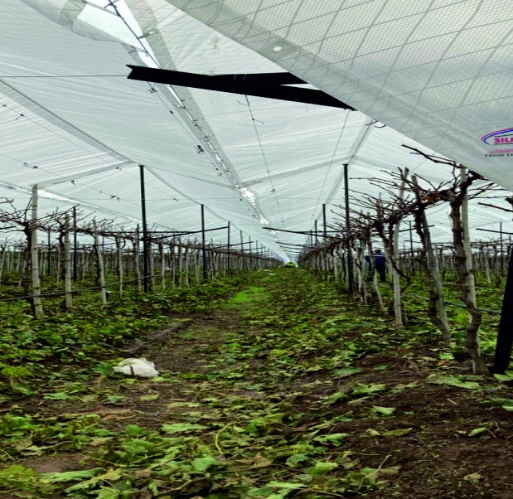
Plant Protection Sheets/portable Fruit Ripening Chambers
Controlling the ripening process of fruits is crucial for maintaining their quality and freshness. Silpaulin sheets play a vital role in this process by ensuring that fruits do not reach their optimal degree of ripeness until they reach the supermarket shelf. Additionally, Silpaulin is utilised in ripening chambers (fal prakriya chambers), where fruits are stored in transport boxes on pallets or shelves under controlled conditions.
As a greenhouse cover material, Silpaulin provides effective protection and regulation of temperature and humidity levels, contributing to the successful ripening of fruits in controlled environments.
Supreme Plant Protection Sheets offer reliable solutions for various agricultural needs:
Greenhouse Cover Material: Supreme Silpaulin Plant Protection Sheets serve as durable and weatherproof material for greenhouses covering, ensuring optimal growing conditions for plants.
Ripening Chambers for Various Fruits: These sheets are utilised as ripening chambers for various fruits such as bananas, raw mangoes, grapes, strawberries, and more.
Gallery


Plant Protection Sheets and Portable Fruit Ripening Chambers
This page covers two separate needs that happen at opposite ends of a crop's life, protecting it while it's still growing, and managing it after it's picked. Portable fruit ripening chambers handle the second half, prefabricated enclosures built to hold ethylene gas around fruit until it ripens evenly. Both this and the plant protection side of the range are made from XF film that's inert to most chemicals and acids, which matters for material that comes into direct, repeated contact with produce.
As a plant protection cover, the same base material works earlier in the crop cycle, shielding growing plants rather than sealing in ripening gas.
Plant Protection Covers for Nurseries and Open Fields
Young plants are the most exposed part of any growing operation, and plant covers laid over nursery beds and seedlings cut down on wind damage and sudden temperature swings during early growth. The same sheets hold up in open-field conditions too, where an unseasonal rain or a late frost can affect an entire season's yield.
As plant cover plastic, the material's tear resistance and reusability across seasons matter as much as the protection itself. A crop cover used this way protects mature standing crops through the same kind of weather exposure that threatens seedlings, without needing a different product for each growth stage.
Crop Protection Covers for Field and Transport Use
A crop protection cover doesn't stop mattering once produce leaves the field. The same material protects saplings and harvested produce in transit, keeping them shielded from dust, sun and handling damage on the way to market.
Farms and nurseries that need this protection across both growing and transport stages benefit from sourcing it from a single plant protection sheet manufacturer rather than a different product for each use, keeping material quality and handling consistent from the field to the point of sale.
Portable Ripening Chambers for Bananas, Mangoes and Other Fruit
Fruit like bananas and mangoes ripen after harvest through natural ethylene exposure, and a sealed chamber concentrates that gas around the fruit rather than letting it disperse in open air. A banana ripening chamber built from gas-tight HDPE sheets holds that seal through a full ripening cycle without needing a permanent structure built around it.
The same setup works as a mango ripening chamber, since both fruits ripen through the same ethylene-driven process. Being portable rather than fixed means the same chamber can be assembled, used, and relocated as a trader's storage needs change through the season.
Fruit Ripening Chambers for Traders, Exporters and Processors
Mandis, exporters, and processing units all handle fruit at different points before it reaches a retail shelf, and the same portable fruit ripening chambers setup works across each of these without needing a custom version for every buyer type.
Supreme Industries works as a fruit ripening chamber manufacturer for traders, exporters, and food processing operations managing fruit ripening at different scales, supplying the same gas-tight construction whether the order is for one mandi stall or a larger processing facility.
Commonly Asked Queries
Is a fruit ripening chamber practical for a small mandi stall, or only for large processing units?
Both, the same standard fruit ripening chamber design is used by a single mandi stall as well as larger exporters and processing facilities. One chamber setup scales across buyer types without changing the design.
Do fruit ripening chambers need a permanent structure to work?
No, a fruit ripening chamber is a prefabricated, portable enclosure that holds its seal through a full ripening cycle without needing a permanent structure. It can be set up and taken down as needed.
Can the same sheet protect crops in the field and then cover them during transport?
Yes, the same plant cover plastic sheet is used at the growing stage and then to shield harvested produce from dust, sun, and handling damage during transport. This lets a grower use one supplier across both stages.
How does a fruit ripening chamber speed up ripening in bananas and mangoes?
A fruit ripening chamber seals the fruit inside a gas-tight enclosure that concentrates the ethylene gas bananas and mangoes naturally release. This concentrated ethylene is what drives the ripening process.
Will a plant protection sheet hold up during unseasonal rain or late frost?
Yes, plant protection sheets are tear resistant and designed to protect crops against unseasonal rain, late frost, and sudden temperature swings in open fields. The same sheets also reduce wind damage when used over nursery beds and seedlings.