Solar Drying Sheets

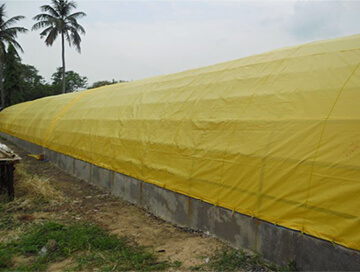
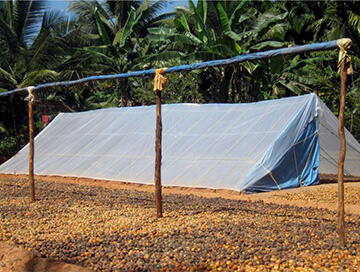
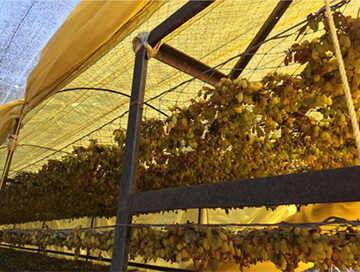
Silpaulin sheets traps the heat generated during day time which accelerates the drying process.

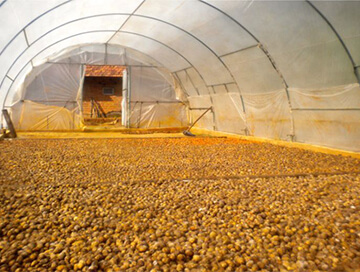
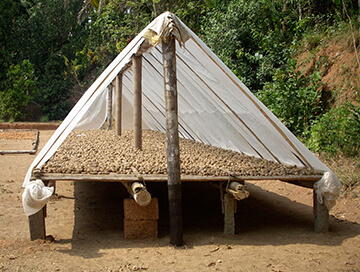
Silpaulin Solar drying sheets are used for accelerated and effective natural drying of Agriculture / Horticulture / Forest produce such as Areca nuts, Chillies, Tendu patta, Mango pulp, Jackfruit pulp etc.

Solar Dryer Sheet Solutions for Agricultural Processing

Supreme solar dryer sheets change the game in post-harvest drying with heat-trapping technology. These tough coverings speed up moisture removal while protecting valuable crops from contamination and weather damage.

As key parts of solar tunnel dryers, Supreme sheets provide consistent quality for areca nuts, chillies, tendu patta, and fruit pulps across India's various climates. Professional growers trust their reliable performance for quicker turnaround and better market-grade produce.

What is a Solar Dryer Sheet?

Solar dryer sheets are heavy-duty HDPE coverings designed to trap daytime solar heat. They create higher temperatures that speed up the drying process by 3-5 times compared to open-air methods. By forming a sealed, greenhouse-like environment, they keep heat levels steady from morning to evening, optimising moisture evaporation without over-drying sensitive produce.

The controlled heat environment stops the growth of mould and bacteria, which are common in traditional ground drying. Solar dryer sheets cut drying time from 7-10 days to 2-4 days for most crops, increasing throughput and improving nutrient retention in the final product.

Key benefits over open-air drying include complete protection from rain, dust, birds, and animals. This ensures contamination-free produce that fetches premium prices in the market. A faster turnaround allows for multiple drying cycles per season, maximising efficiency in land and labour for commercial operations.

How Does a Solar Tunnel Dryer Work and What Sheets Are Used?

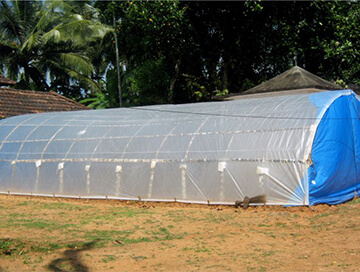
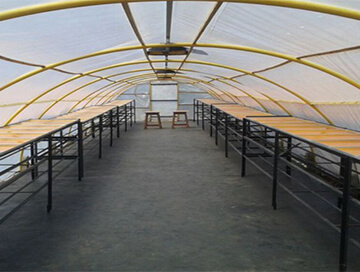
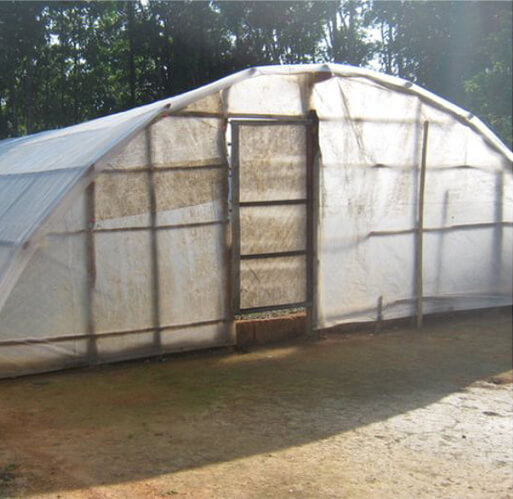
A solar tunnel dryer has a semi-cylindrical frame covered entirely with UV-stabilised plastic sheeting that forms both the roof and sidewalls. Air enters from ground-level vents, is heated by solar energy trapped within the tunnel, rises naturally, and exits through the top chimneys, carrying moisture from the trays below.

The solar dryer sheet acts as both roofing material and the main heat-trapping layer, absorbing and retaining infrared radiation while allowing visible light to pass through. This combination creates internal temperatures of 55-65°C, even on partly cloudy days, ensuring reliable performance year-round.

HDPE multi-layer cross-laminated sheets outperform regular polyethylene films because of their better puncture resistance, UV stabilisation lasting over 1,500 hours, and stability under thermal expansion. Their cross-laminated design prevents tearing during strong winds or when handling heavy trays, providing lifespans of 3-5 seasons versus single-season use of ordinary plastics.

What to Look for in Solar Drier Roofing Sheets for Long-Term Field Use

UV resistance ratings over 1,500 hours ensure solar dryer sheets maintain their clarity and strength through India's intense summer heat. Heat retention features, enabled by low thermal conductivity, help keep drying temperatures stable from sunrise to sunset.

Transparency ratings of 85-92% visible light transmission maximise solar energy capture while diffusing harsh direct rays that could harm heat-sensitive crops like mango pulp or medicinal herbs. Anti-drip coatings stop water droplets from falling on produce during morning condensation.

GSM and thickness selection depend on scale: 90-120 GSM for smallholder solar tunnel dryers handling 200-500 kg batches; 150-200 GSM for industrial units processing 2-5 tonnes. Supreme offers bulk rolls and custom cuts for easy integration with existing dryer frames.

Reliable Solar Dryer Sheets for Agricultural and Horticultural Drying Across India

Wide availability benefits farmers, agri-processing units, and forest produce businesses from Kashmir apples to Tamil Nadu chillies. Bulk and custom sizes support large installations drying over 10 tonnes monthly.

Consistent quality across batches ensures reliable drying times and produce quality for year-round operations, from monsoon-delayed harvests to peak summer processing.


FAQs


Which sheet is used for a solar dryer?
HDPE multi-layer cross-laminated solar dryer sheets, like Supreme Silpaulin, are common. Their UV resistance, heat retention, and durability surpass that of polyethylene films. They come in 90-200 GSM for various scales.

What is the solar dryer used for?
Solar dryers process agricultural products like areca nuts, chillies, tendu patta, mango pulp, and jackfruit. They quickly reduce moisture content while preventing contamination. This is ideal for high-value crops that need premium quality.

How long does it take to dry food in a solar dryer?
Most crops dry in 2-4 days compared to 7-14 days in open air. Drying times vary based on the type of produce, thickness, and weather. Solar tunnel dryers maintain temperatures of 55-65°C consistently, speeding up moisture removal by 3-5 times.

What transparency level is needed in a solar dryer sheet for effective heat trapping?
For effective heat trapping, 85-92% visible light transmission with infrared retention is best. Supreme solar dryer sheets balance light penetration for heating with diffusion to protect produce. The anti-drip coating prevents damage from condensation.

Are solar dryer sheets available in custom sizes for large agri-processing setups?
Yes, Supreme provides bulk rolls and custom cuts for industrial solar tunnel dryers. Widths up to 8m eliminate seams in large installations. Consistent quality supports processing over 10 tonnes monthly.