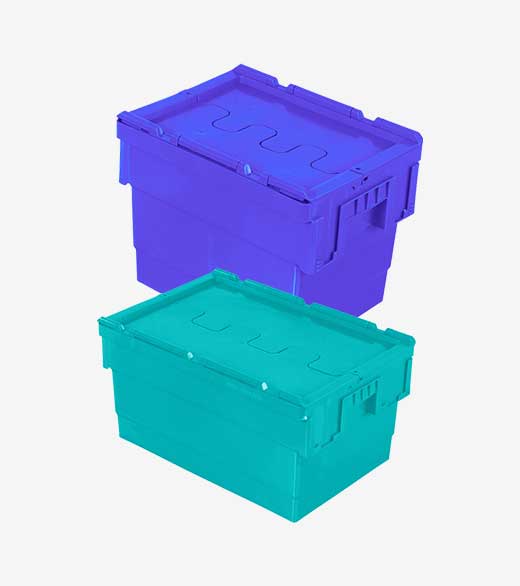




Yes. A verified LID 500x325 variant is listed within the range, providing a covered storage option across the 500x325 stackable plastic crates series.
Supreme 500x325 Series: Stackable Plastic Crates for Industry and Food Use
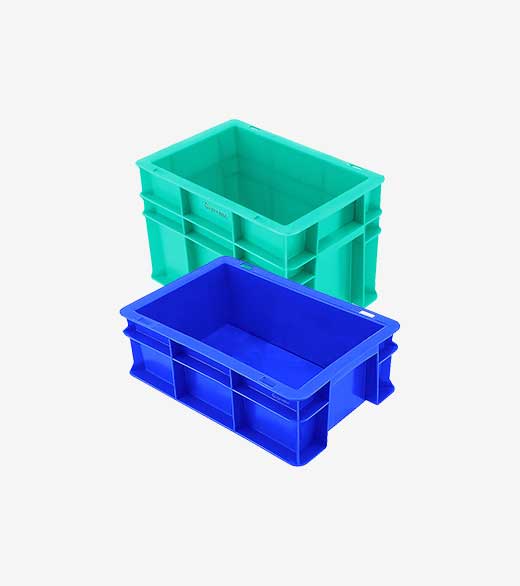
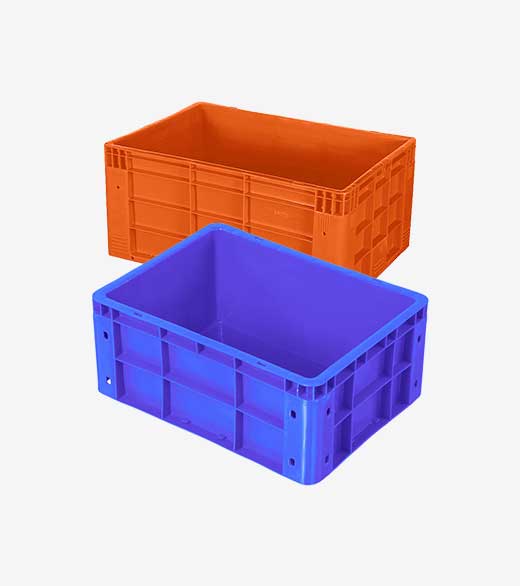
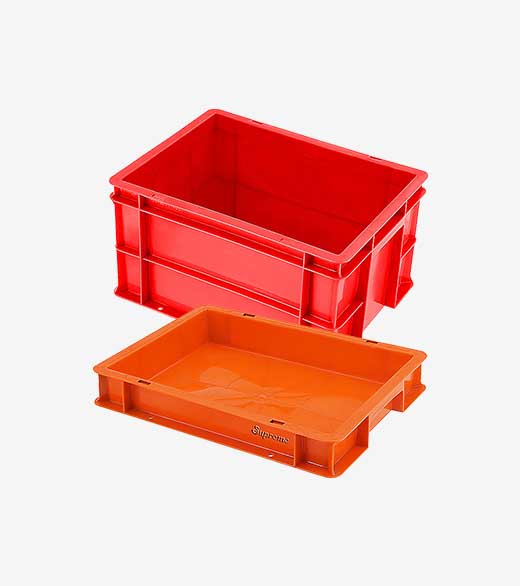
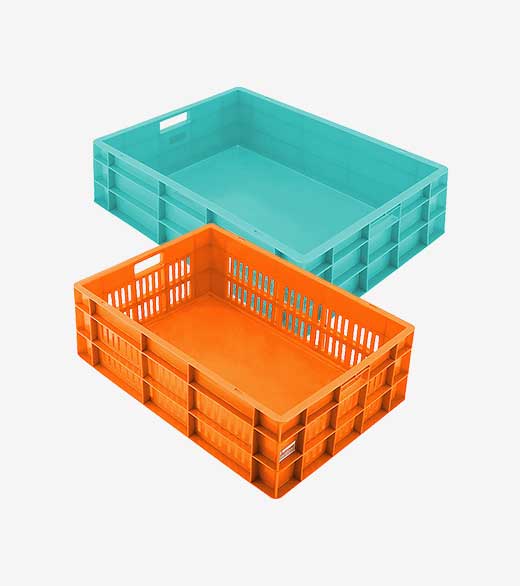
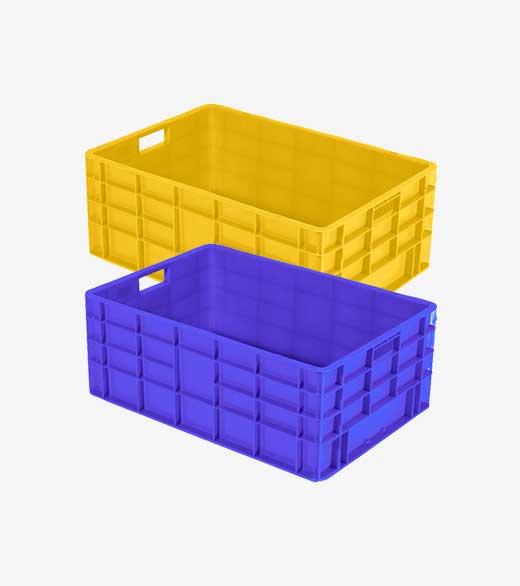
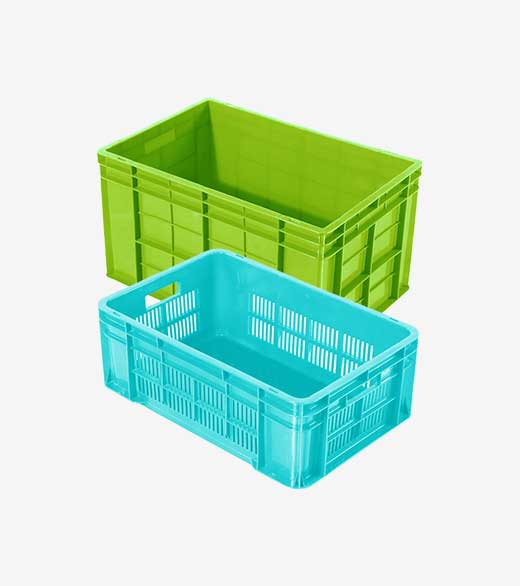
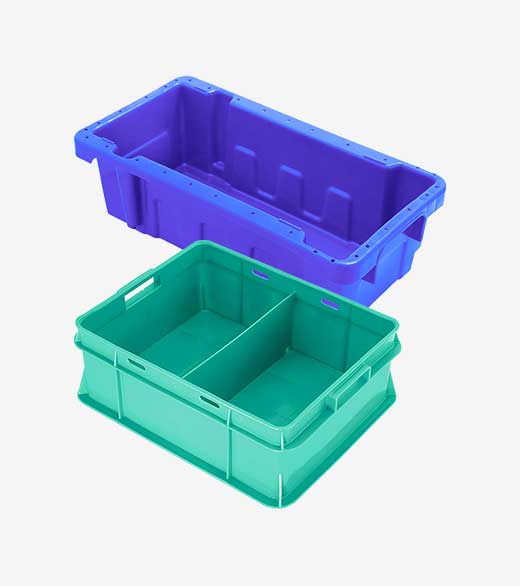
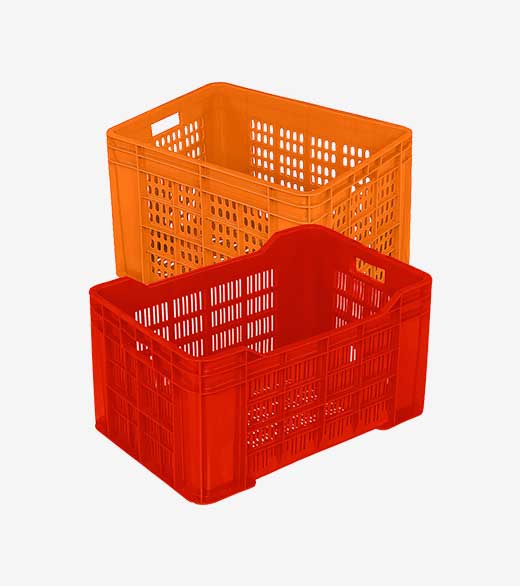
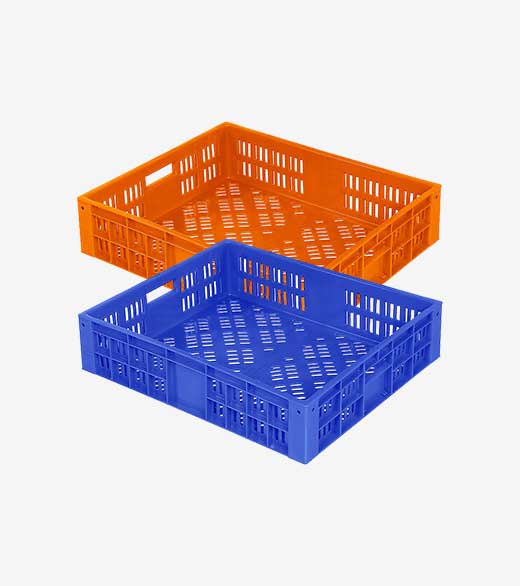
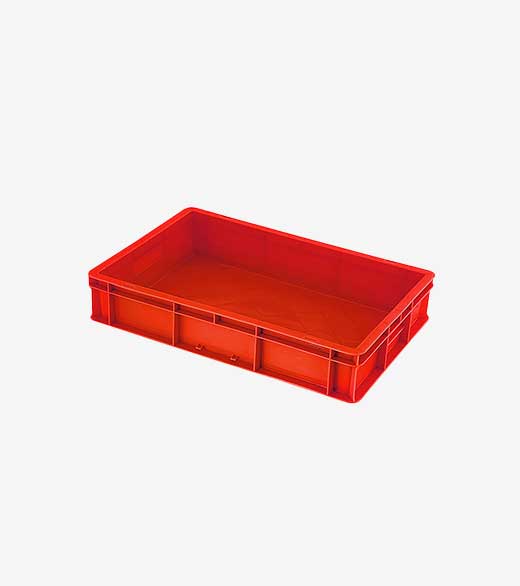
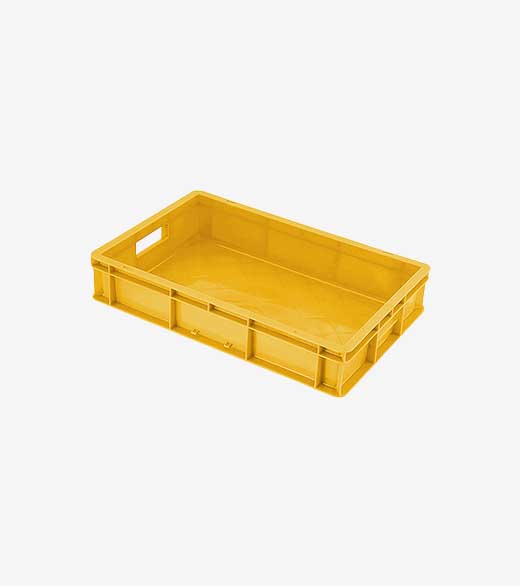
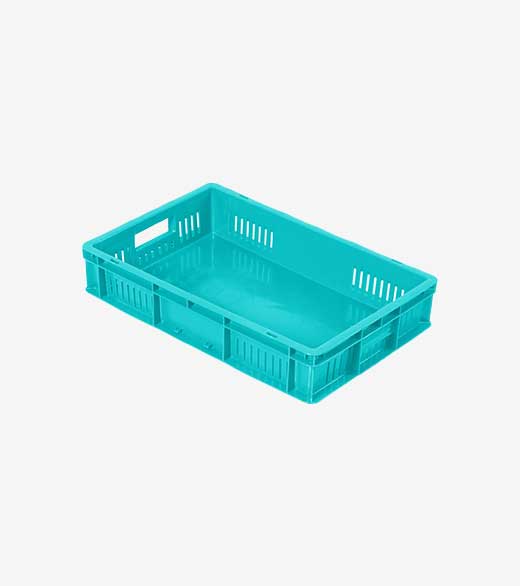
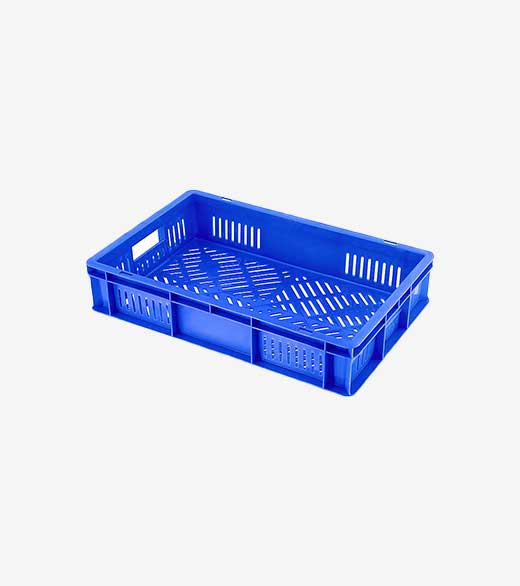
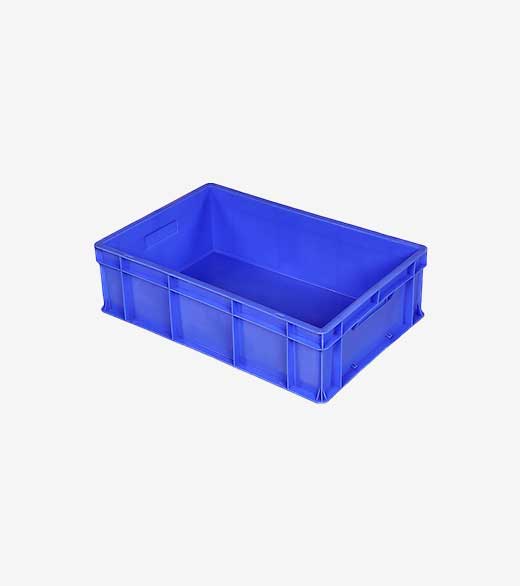
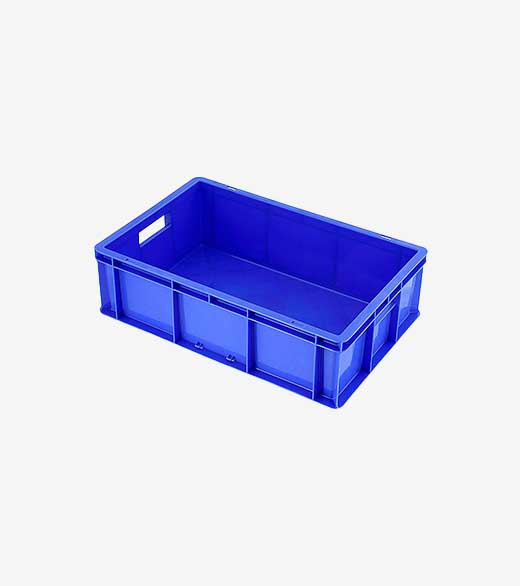
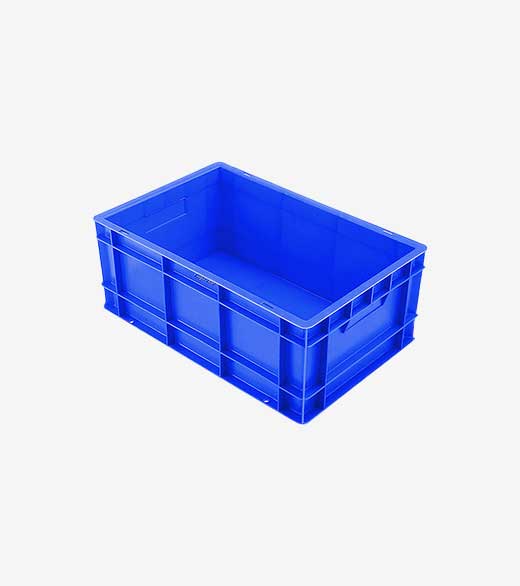
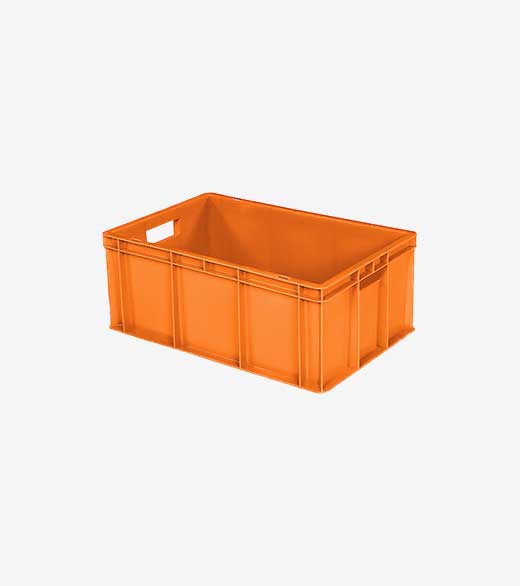
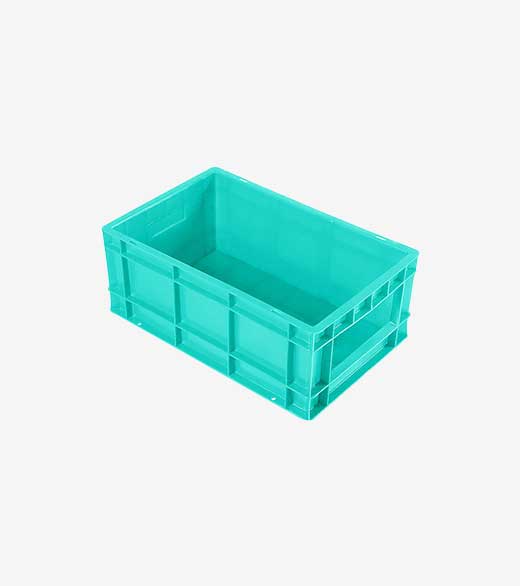
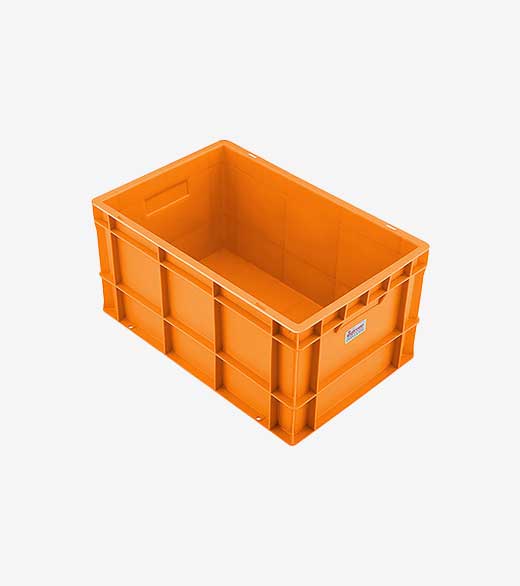
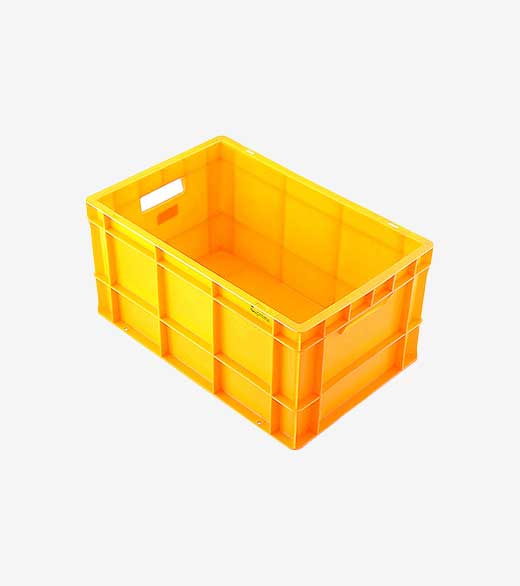
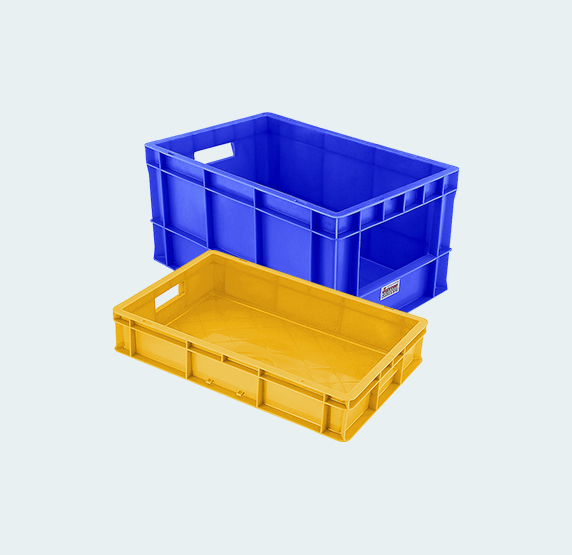
Supreme's 500x325 Series are stackable plastic crates manufactured using computer-designed moulds and injection moulding, covering a fixed 500x325mm footprint across four models. The series spans capacities from 12 Ltrs to 32 Ltrs: SCL 503210 (12 Ltrs), SCL 503215 (19 Ltrs), SSP 503220 (26 Ltrs), and SCL 503225 (32 Ltrs). This is the first series in Supreme's injection moulded range where verified applications cross both industrial and food-related procurement requirements.
Wall Configurations and Lid Options
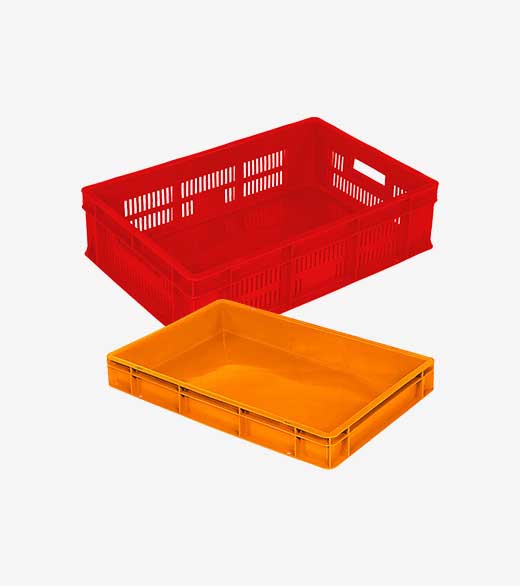
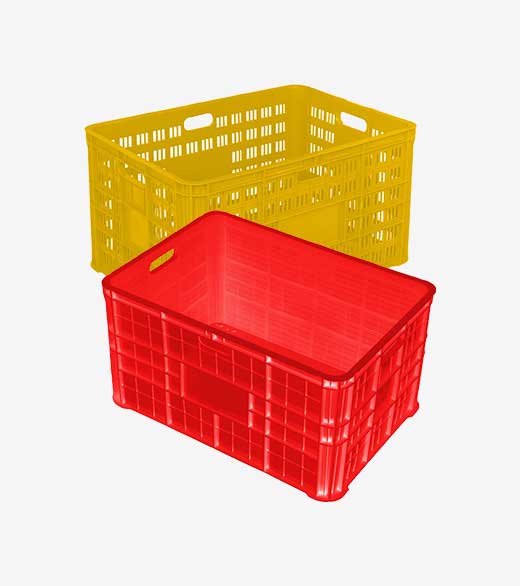
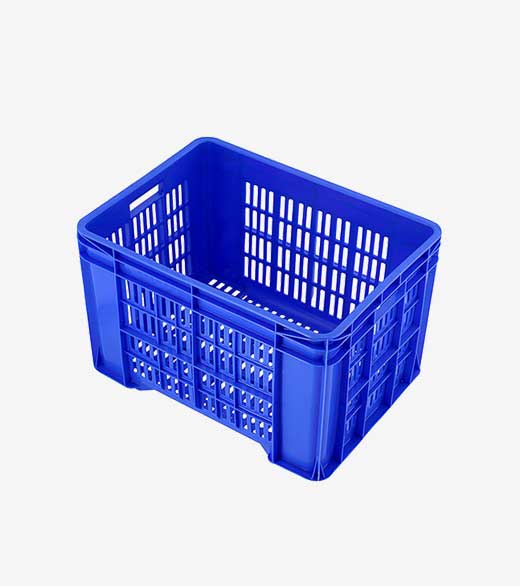
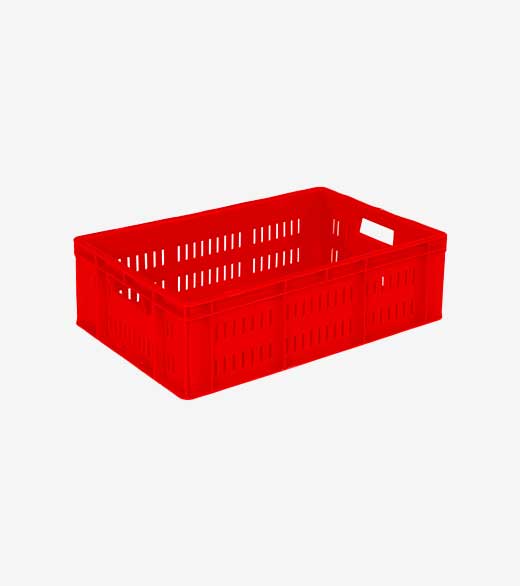
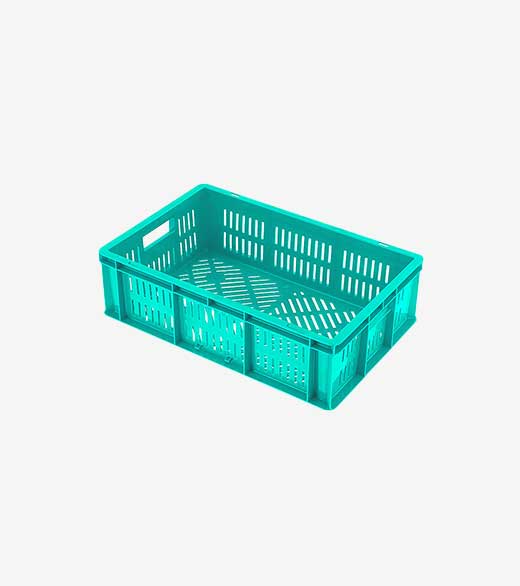
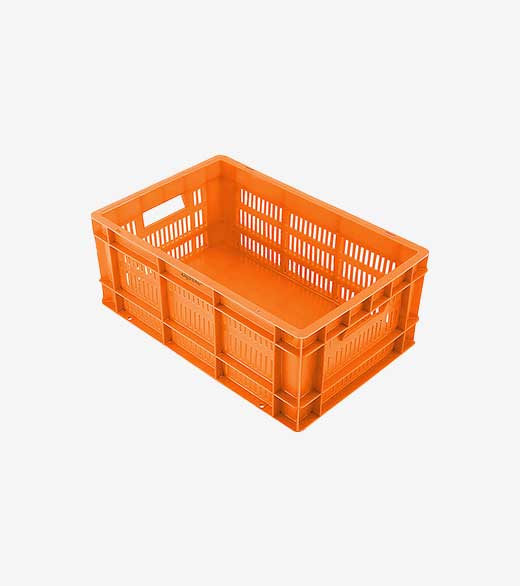
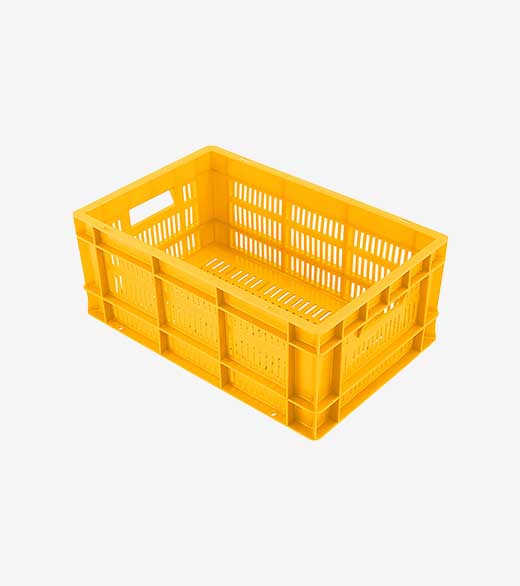
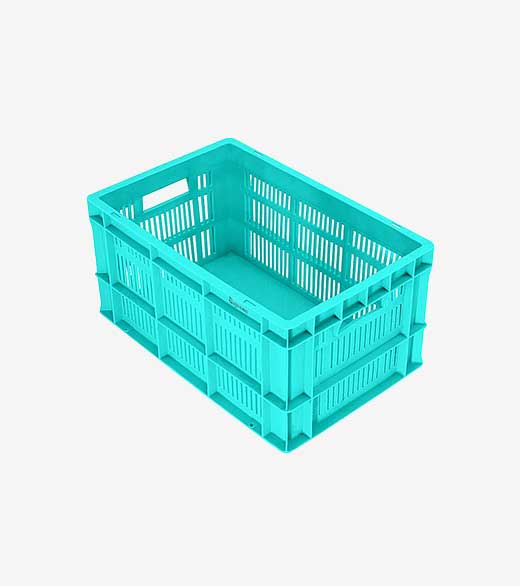
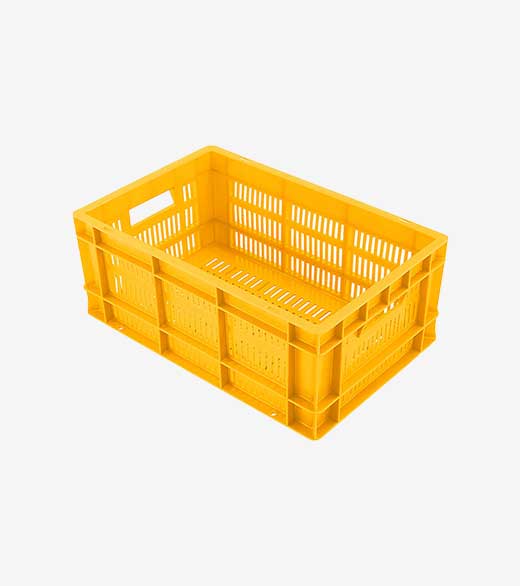
Configuration options across this series include SCL, SCH, SSP (side perforated, bottom closed), STP, and SFPO. The SSP configuration provides side ventilation with a closed bottom, suited to plastic crates with locking lid and produce storage requirements. The SSP 503220 is available with a locking clip lid. All models in this series are injection moulded crates 12 litre to 32 litre, designed for stacking across consistent base dimensions.
Industries That Use the 500x325 Series
Verified application areas for this series include Automobile, Engineering, Bakery, and Fruit and Vegetable industries. Plastic crates for bakery and catering industry and perforated plastic crates for food storage procurement teams will find the SSP configuration suited to ventilated storage needs. Plastic crates for engineering and automobile use sourcing teams will find the closed SCL and SCH options within the same footprint. The series covers crates for food industry and industrial requirements within one product family.
Material and Build Specifications
These crates for warehousing and industrial use are food grade, non-toxic, hygienic, and resistant to bacterial and fungal growth. Crack resistant, chip resistant, corrosion resistant, UV resistant, and weatherproof construction is verified from source material. The operating temperature range is -35°C to 75°C. Reusable and economical, these stackable plastic crates for food industry are built for repeated use across both food-related and industrial procurement cycles.
Commonly Asked Queries
Can the same 500x325 series crate be used for both bakery and automobile applications?
Yes. Verified application areas include both bakery and fruit and vegetable industries alongside automobile and engineering use, making the crates for food industry and industrial procurement within one series.
Are 500x325 crates suitable for ventilated food storage?
Yes. The SSP configuration in this series provides side ventilation with a closed bottom, making these stackable plastic crates suited to ventilated food and produce storage requirements.
Does the 500x325 series have a locking lid option?
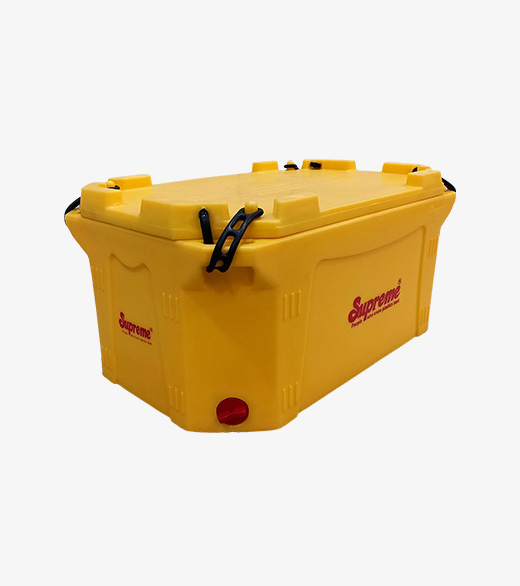
Yes. The SSP 503220 model is available with a locking clip lid, as verified from source material, providing a secured closed storage option within the stackable plastic crates range.
Is there a front partially open configuration in the 500x325 series?
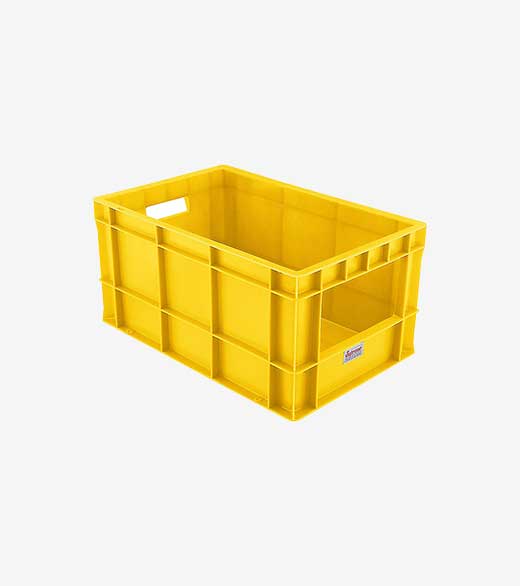
Yes. The SFPO (front partially open) configuration is a verified variant in this series, available in the 503220 and 503225 models, suited for applications where front access to stored items is required alongside stacking.
What capacity range does the 500x325 series cover?
The 500x325 stackable plastic crates series covers 12 Ltrs to 32 Ltrs across four height models: SCL 503210 at 12 Ltrs, SCL 503215 at 19 Ltrs, SSP 503220 at 26 Ltrs, and SCL 503225 at 32 Ltrs.