


FILTER
FILTER
×

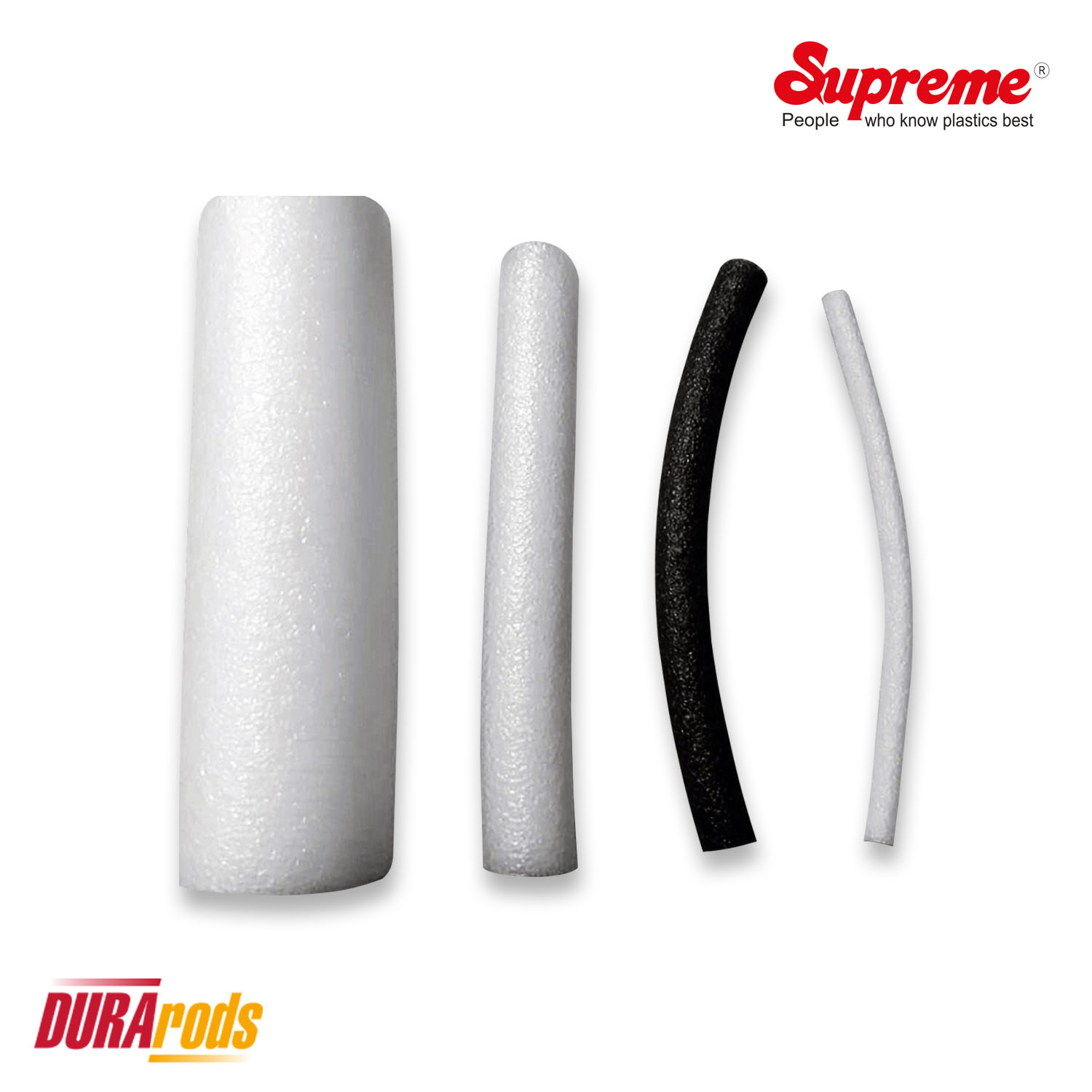
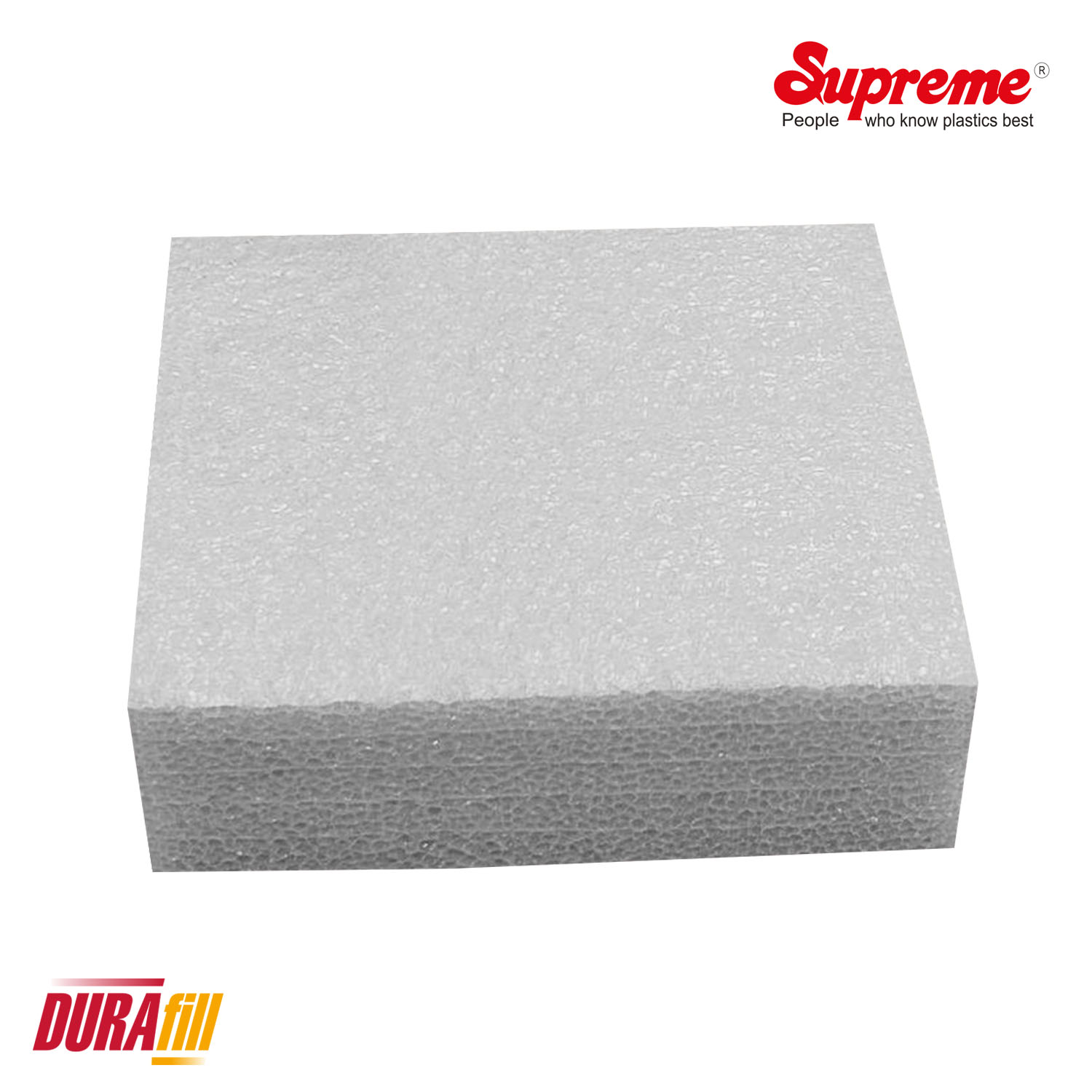
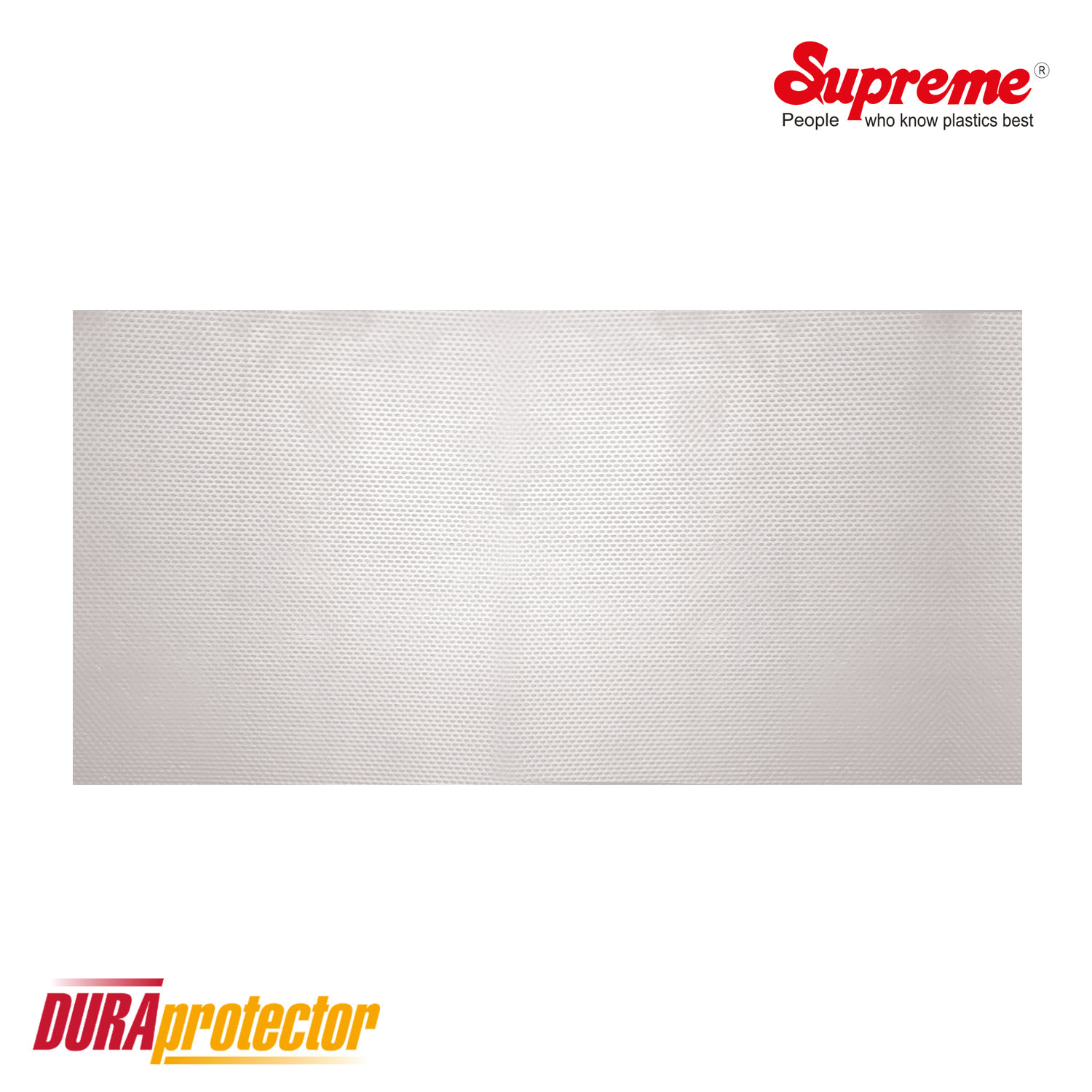
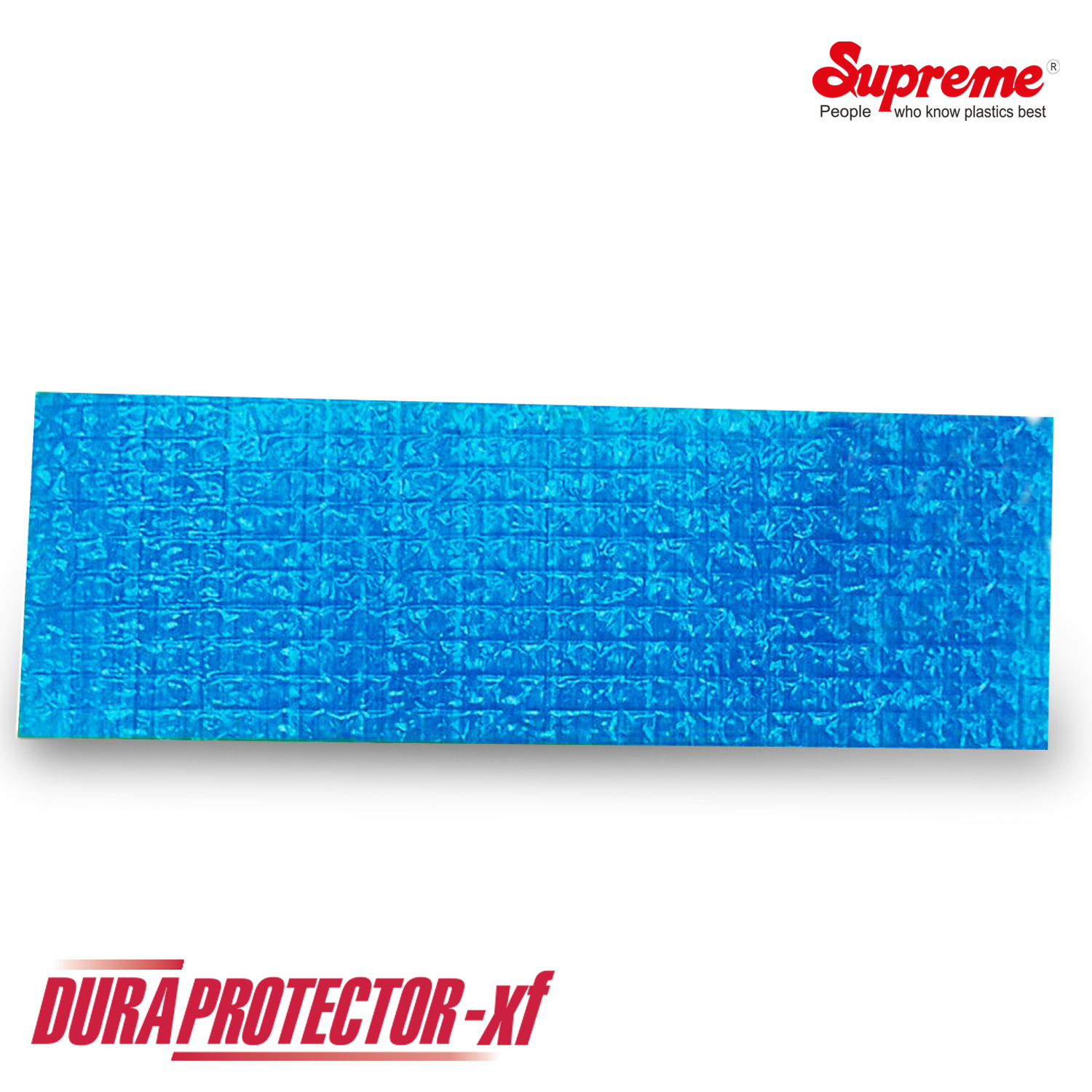
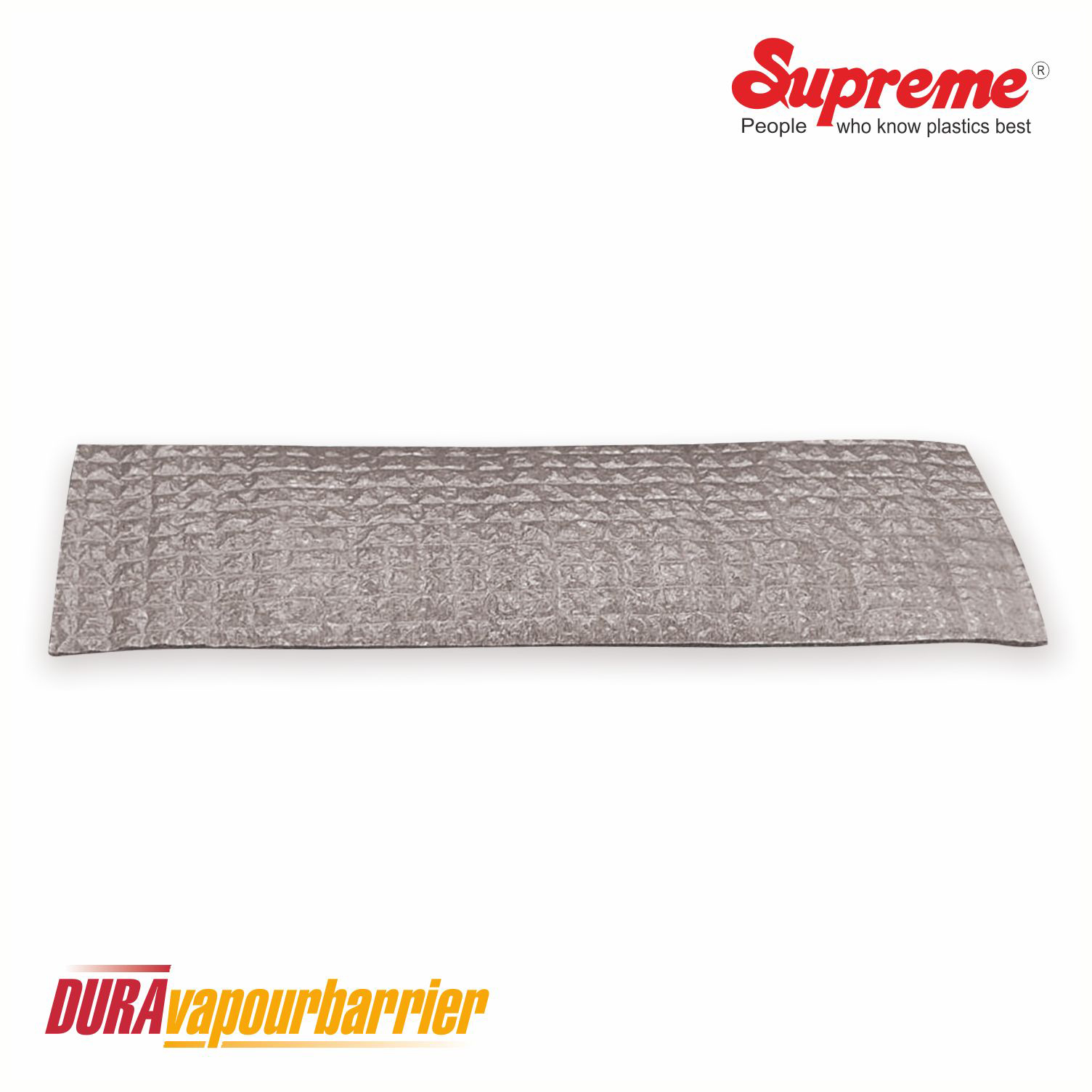
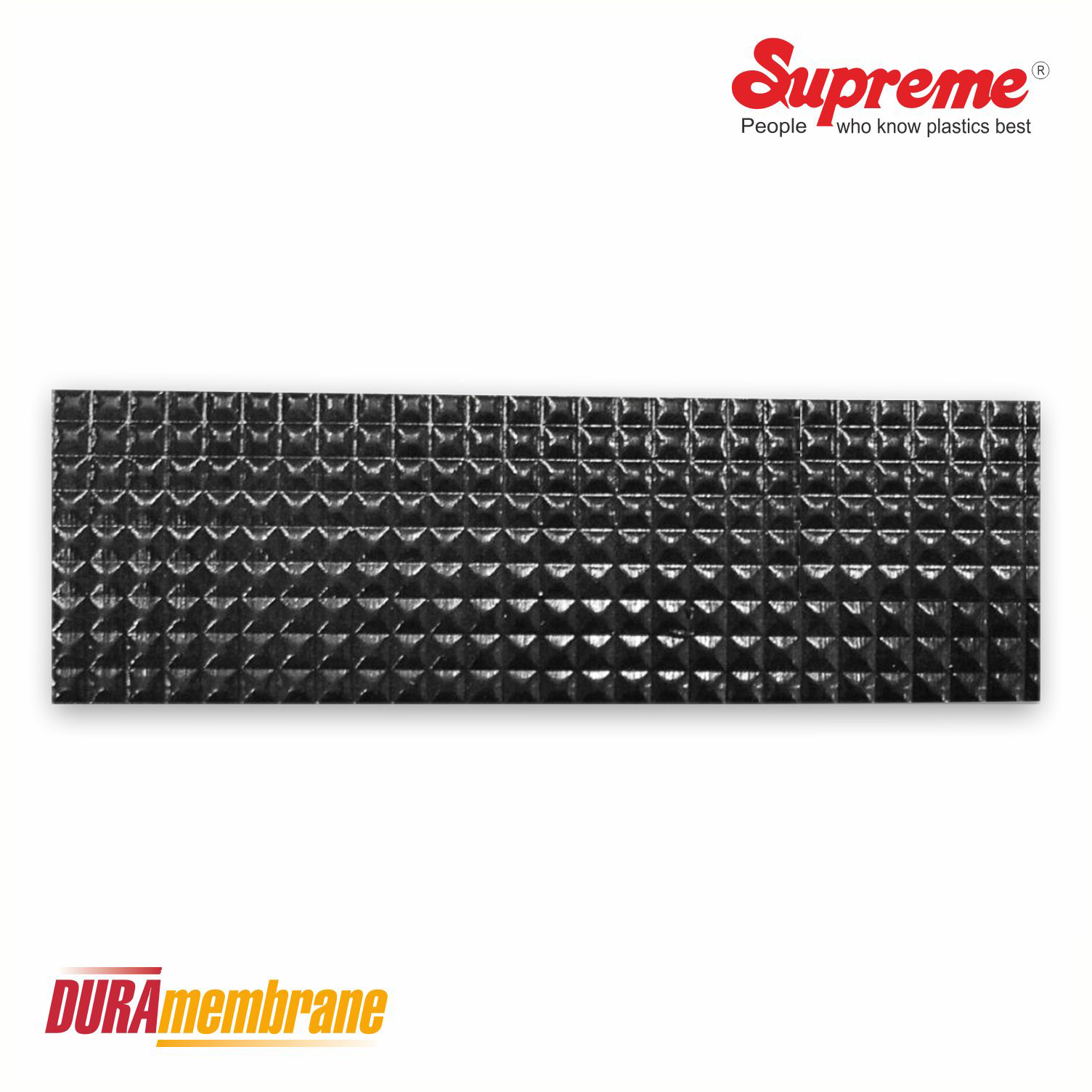
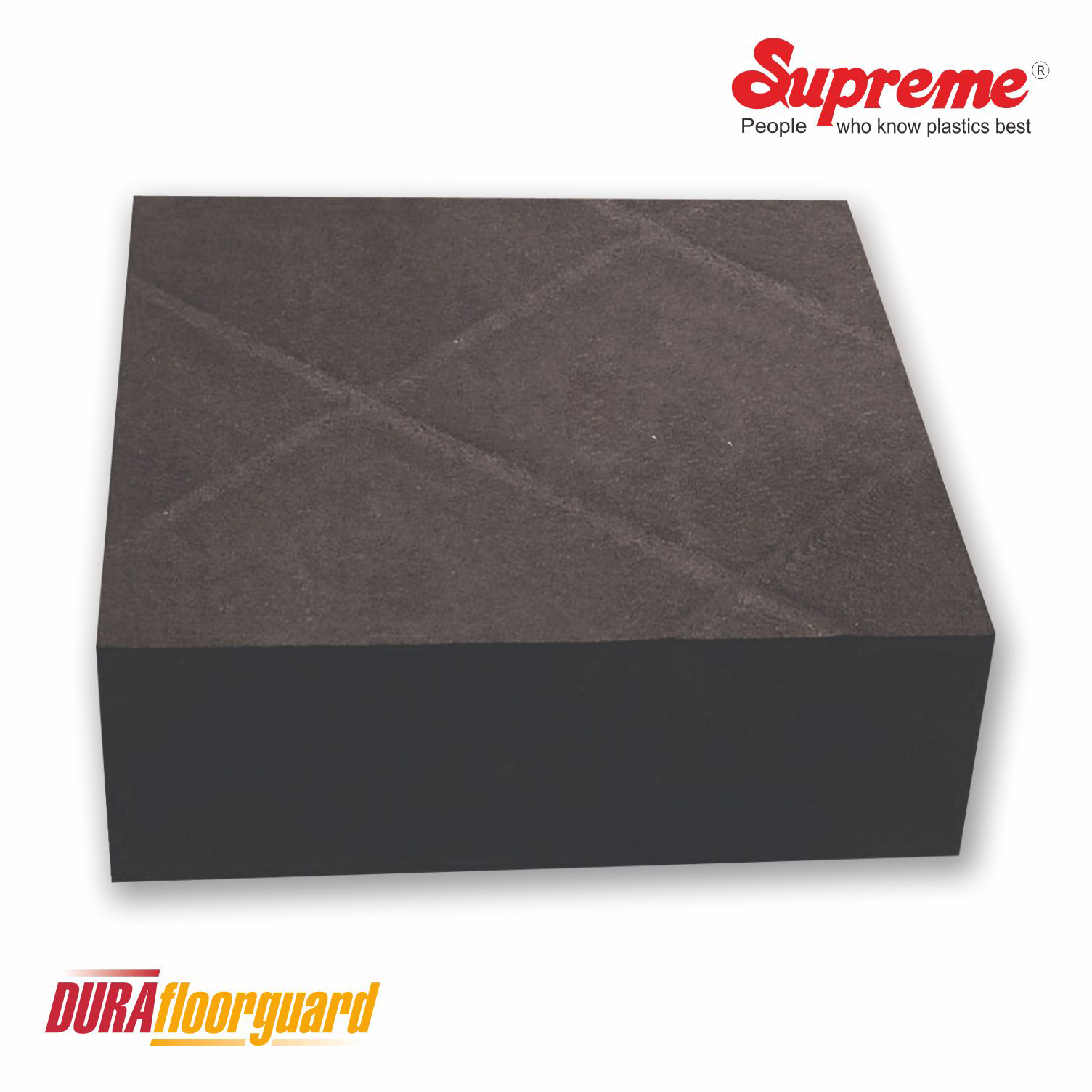
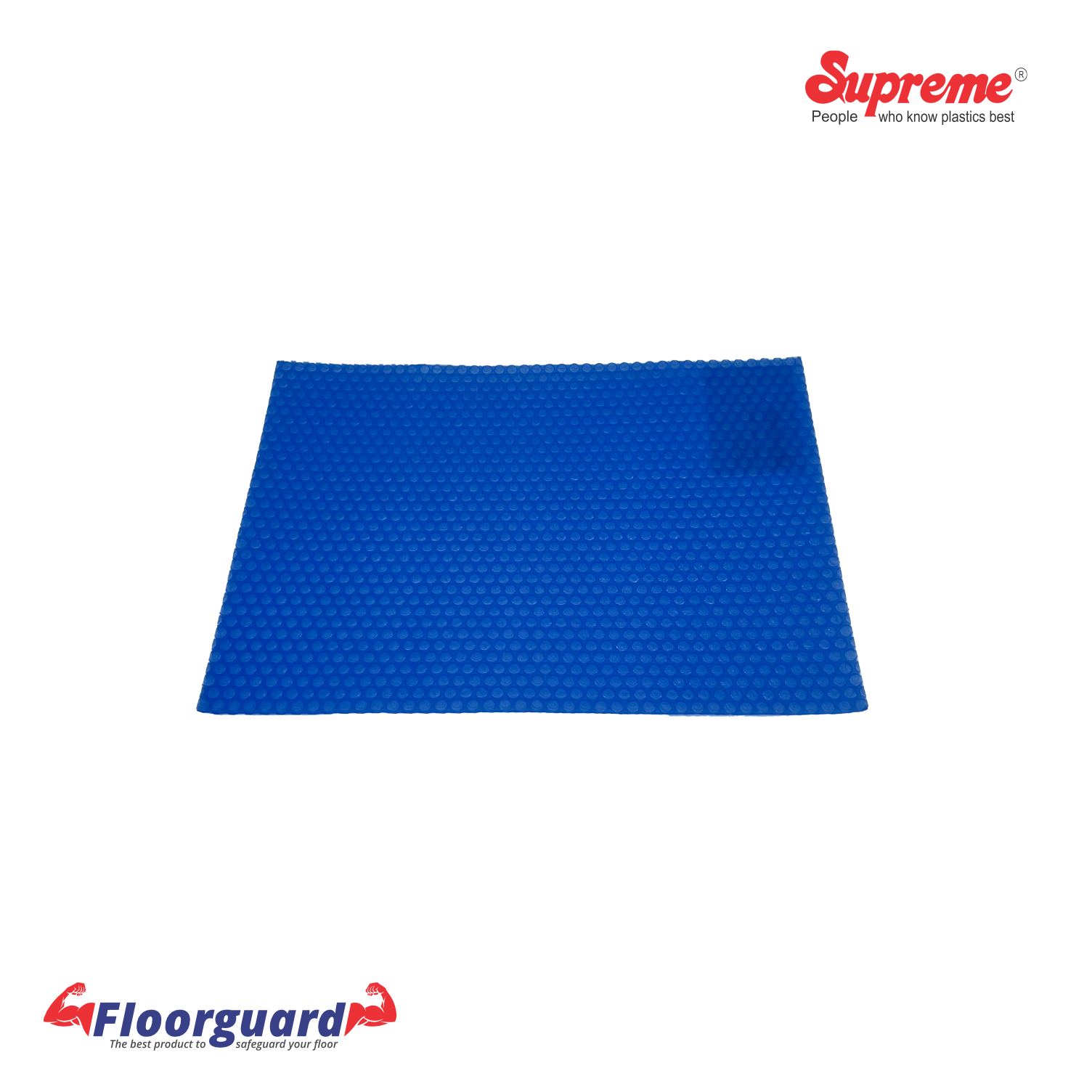
Supreme's DURA range meets the structural and environmental needs of civil and infrastructure construction with a variety of engineered foam board products. This includes closed-cell foam expansion joint fillers, waterproofing membrane sheets, vapour barrier solutions, debonding strips, and floor guard materials. Each product meets the standards required by structural engineers, waterproofing contractors, and construction project managers.
While standard construction materials serve general building needs, DURA is designed to address specific issues, such as structural movement, moisture ingress, surface protection, and separation of concrete elements. This range is used in civil infrastructure, commercial construction, residential development, and public works projects where material failures affect not only costs but also structural integrity and long-term asset value.
What is DURA and How Does It Address Specialised Construction Challenges?
DURA is Supreme's newer foam board solution range, created specifically for the technical demands of civil and infrastructure construction. Traditional building materials treat structural movement, moisture ingress, and surface protection as separate issues. In contrast, DURA connects these performance outcomes to provide a cohesive product range that supports foam board sheet applications from filling expansion joints to vapour control and surface protection.
The DURA range uses closed cell foam and polyethylene-based pe filler board technology. These materials are chosen for their compressibility, resilience, moisture resistance, and stability under load and movement conditions typical in concrete structures, road pavements, bridge decks, and building foundations. For civil engineers and construction teams specifying materials during the design stage, DURA offers solutions with clear performance parameters, unlike generic foam products that might be adapted from other uses.
What is Closed Cell Foam and Why is it Used in Construction Expansion Joints?
Closed-cell foam features sealed individual cells, meaning each air pocket is isolated within its own wall and does not connect to adjacent cells. This structure creates a material that does not absorb water, can compress under load, and recovers its shape once the load is removed. In construction, expansion joints require these properties: no water absorption, compressibility, and recovery. The filler must compress when the joint closes due to thermal or structural movement, recover when it opens, and avoid water absorption or loss of integrity in wet conditions.
Expansion joints in concrete roads, bridges, floor slabs, retaining walls, and other structures are designed to accommodate thermal expansion, structural settlement, and load movement. A reliable closed-cell foam expansion joint filler maintains the joint's functional gap and prevents debris from causing spalling during compression. It endures repeated compression and recovery throughout the structure's lifespan. DURA's expansion joint foam sheet is made in specific thicknesses and densities, tailored to match the joint widths and movements outlined in structural drawings, allowing the structural engineer to choose materials based on performance rather than adjusting a generic product on site.
How is Open Cell Foam Used Differently from Closed Cell Foam in Construction?
Choosing between open-cell foam and closed-cell foam in construction is based on structural specifications, not personal preference. These two materials differ significantly in their cellular structures, which affects their proper use. Mistakenly using the wrong material in a moisture-sensitive or load-bearing joint can lead to performance and durability issues.
Open Cell vs Closed Cell Foam—Construction Application Parameters
|
Parameter |
Closed Cell Foam |
Open Cell Foam |
|
Cell structure |
Sealed — air pockets enclosed |
Interconnected — air can pass through |
|
Water absorption |
Very low — near-impermeable |
High — absorbs and retains moisture |
|
Compressive strength |
Higher — load-bearing in joints |
Lower — not suited to sustained load |
|
Density |
Higher — structurally rigid |
Lower — soft and conforming |
|
Recovery after compression |
Good — returns to form |
Excellent — highly elastic |
|
Primary construction use |
Expansion joints, waterproofing, and debonding |
Acoustic insulation, void-fill, sealant backing |
|
Moisture-sensitive environments |
Suitable |
Not recommended |
Material selection should be based on the specific structural movement, moisture conditions, and load-bearing requirements of the joint or application.
Open-cell foam is properly specified for acoustic insulation between wall cavities, as backing rods behind sealant joints, where its compressibility and air permeability help with adhesion and movement, and in non-structural void-fill applications where load-bearing is not necessary. It should never be used in situations where long-term moisture exposure or structural load is expected. Closed-cell foam is the right choice for expansion joints, waterproofing interfaces, and structural joint fillers in civil and building construction.
What is a PE Filler Board and Where is it Used in Civil Construction Projects?
A pe filler board is a polyethylene-based closed-cell foam board that serves as a compressible filler material in construction joints, especially expansion joints in concrete structures, providing a consistent, recoverable gap filler. Unlike bituminous or fibrous filler boards, pe filler board does not absorb moisture, is chemically stable, and maintains its shape across a wide range of temperatures and moisture levels encountered in civil infrastructure. As a foam board sheet, it comes in standard thicknesses, typically 10 mm, 12 mm, 15 mm, 19 mm, and 25 mm, allowing direct specification to match joint widths indicated in structural drawings.
In civil construction, pe filler board is used in concrete road and pavement expansion joints (where it must handle repeated compressive loading from traffic), bridge deck joints (where movement and environmental factors are critical), retaining wall and basement wall expansions (which require waterproofing compatibility), and floor slab joints in industrial and infrastructure settings. As an expansion joint foam sheet, pe filler board is also used at junctions between concrete structures and adjacent fixed elements, columns, walls, and footings, where differential movement between connected elements needs to be managed without causing stress transfer or cracking.
How Does a Waterproofing Membrane Sheet Protect Structures from Moisture Damage?
Waterproofing membrane sheets create a continuous, impermeable barrier between a structural surface and moisture sources. They block water, groundwater, and moisture vapour that can damage concrete through carbonation, rebar corrosion, and finish degradation in basements, roofs, terraces, podiums, and underground structures. Foam-based waterproofing membrane sheets are easier to install than bituminous or liquid-applied options; they come in sheets, require no hot work or curing time, and provide reliable impermeability from the moment they are installed, unaffected by application quality or temperature.
Performance standards for construction-grade waterproofing membrane sheets include resistance to hydrostatic pressure, resistance to root intrusion (especially in podium and green roof applications), dimensional stability on concrete surfaces, and compatibility with sealants and drainage systems in the waterproofing setup. For structural consultants and waterproofing contractors, the consistency of the waterproofing membrane sheet format provides predictable performance. Unlike liquid-applied systems, where application thickness and coverage can fluctuate with site conditions, sheet membranes consistently deliver defined performance specifications.
What is a Vapour Barrier and When is it Required in Building Construction?
A vapour barrier is designed to slow the movement of moisture vapour through building materials such as floors, walls, and roofs. It prevents condensation within the structure, preventing problems such as thermal insulation decay, mould growth, finish issues, and, in steel-framed buildings, corrosion. Unlike a waterproofing membrane that blocks liquid water under pressure, a vapour barrier handles the movement of vapour caused by pressure differences. This creates a distinct moisture challenge that requires a different material and installation approach.
Vapour barriers are essential in specific building situations: cold storage and refrigeration facilities (where temperature differences lead to significant vapour pressure changes), ground-floor concrete slabs (where moisture vapour rises from soil), basements in areas with high water tables, and green building projects that assess energy efficiency standards. The specification of vapour barriers should align with the building's thermal design, the local climate, and relevant construction standards. MEP consultants and green building professionals should finalise material selection during the design phase rather than treating it as a later decision.
How is a Debonding Strip Used in Concrete Construction and Why Does it Matter?
A debonding strip is a layer of compressible material, usually a closed-cell foam expansion joint strip. It is applied to a concrete element before casting the adjacent concrete. This prevents the two elements from bonding together at their interface. In reinforced concrete construction, unwanted bonding between connected elements, such as a column and the slab around its base, a wall and the slab at a wall-slab junction, or a construction joint between pours, creates a rigid connection. This connection restricts the intended free structural movement of the design. When movement is restricted, stress builds up. This typically leads to cracking at the weakest point of the structural section instead of at the controlled joint location.
Debonding strips are required at column bases, wall-slab junctions, lift pit walls, and construction joints in reinforced concrete frames where the structural design requires a specific plane of movement or separation between elements. The debonding strip is bonded to the formed surface of the first concrete element before the adjacent pour. This ensures that when the second pour is placed and cured, no adhesion develops across the intended separation plane. Structural engineers specifying debonding strip applications must check the strip thickness against the joint gap specification and the expected interface movement amplitude.
Where Are Foam Protectors and Floor Guards Used During Construction Projects?
Foam protectors and floor guards have specific, temporary purposes in construction. They protect finished surfaces from damage during the construction and fit-out phase, which is the period between the installation of the finished surface and the practical completion of the project. In residential, commercial, and hospitality construction, finished materials such as marble, ceramic tile, hardwood flooring, polished concrete, and engineered stone are installed well before site activities are complete. The foot traffic, material movement, machinery operation, and accidental impacts during the remaining construction period pose a risk of damage to these finished surfaces. Without protection, this damage could lead to replacement and delays, resulting in costs that far exceed the cost of the protective materials.
Floor guard sheet products from the DURA range are applied directly to finished surfaces. They provide a cushioning layer that absorbs impacts, prevents scratches and abrasion from grit and material movement, and protects against staining from site liquids. Foam protectors are used for vertical surfaces, column bases, door frames, and recessed floor features where three-dimensional protection is needed. Both products are specified as temporary protection and are removed after practical completion. The specification should also assess the installation adhesive compatibility with the surface finish to ensure that removal does not cause additional damage.