




FILTER
FILTER
×
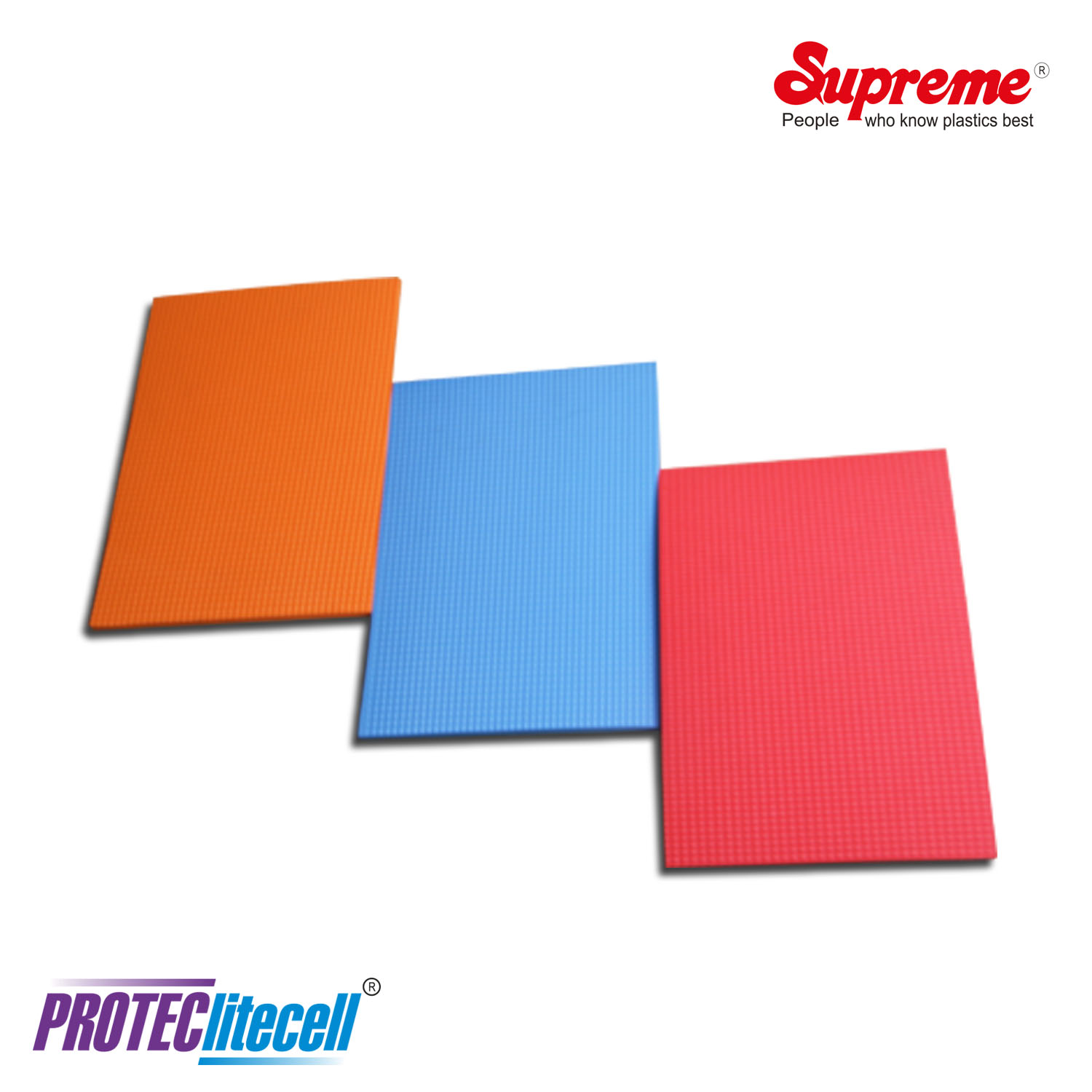

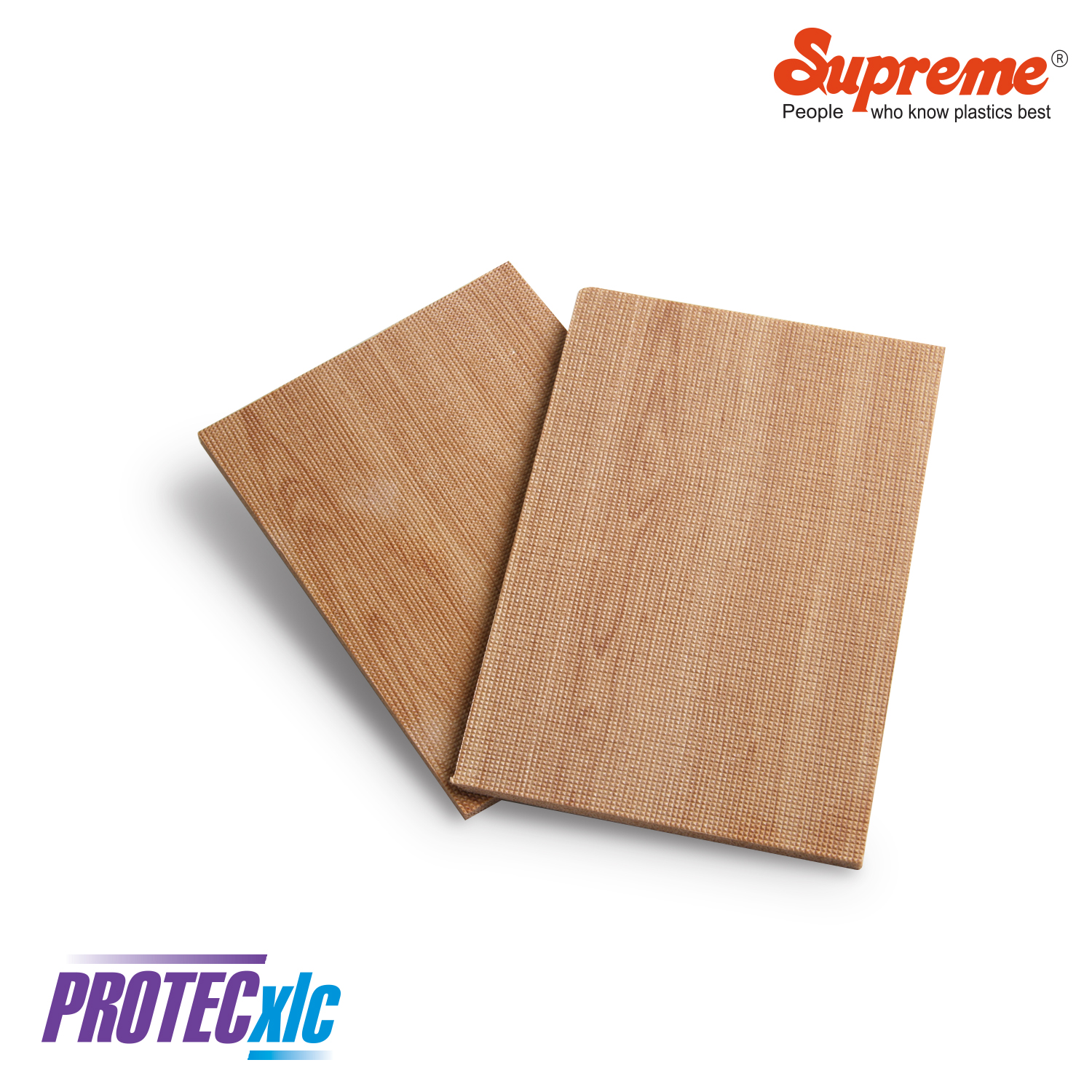

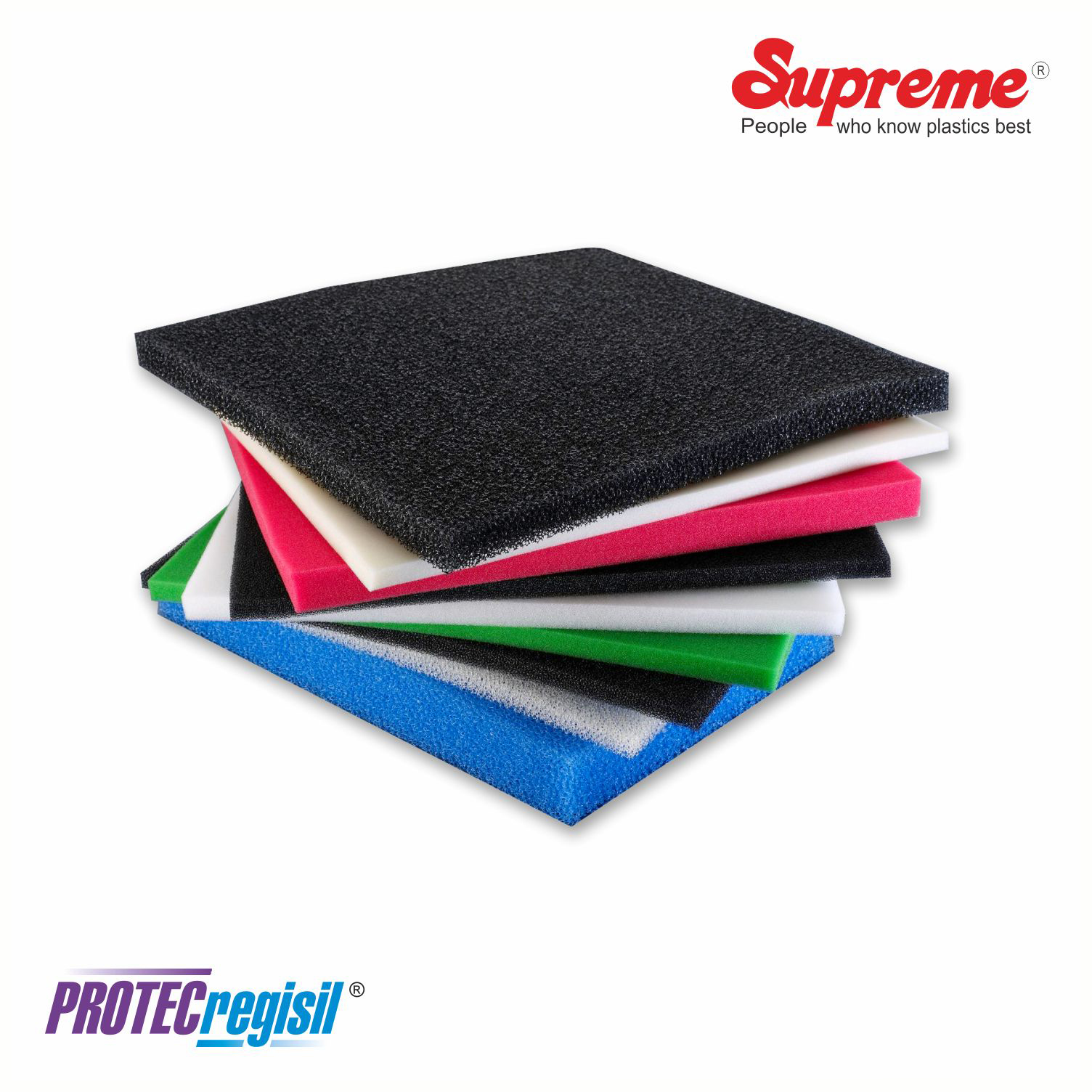
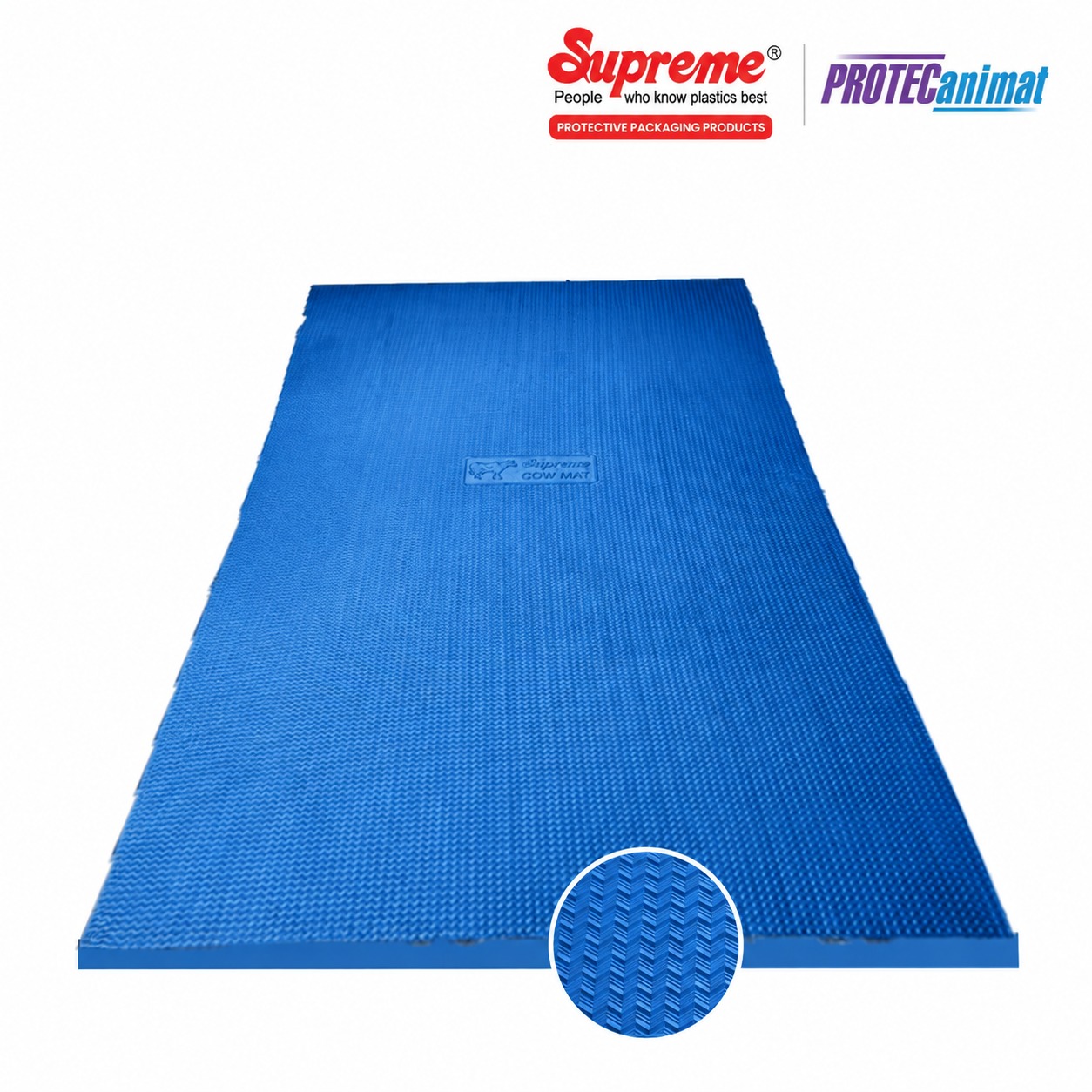
Supreme's PROTEC range offers foam packaging and protective materials designed for industrial transit, storage, and commercial logistics. It includes EPE foam sheets and rolls, air bubble rolls, XLPE foam grades, and specialist products such as fruit foam nets and carpet underlay. The PROTEC line meets a wide range of protective packaging needs across manufacturing, logistics, and interior design.
Targeted at packaging engineers, procurement managers, and facility specification teams, the PROTEC range mixes material science with practical knowledge. This combination results in protective solutions that reduce damage rates, lower replacement costs, and help meet specific packaging standards in various sectors. Supreme's expanded polyethylene foam manufacturers capability to manufacture expanded polyethylene foam supports the entire range, ensuring consistent material quality, accuracy in dimensions, and reliable supply on an industrial scale.
What is Protective Packaging?
Foam packaging and related protective materials serve a clear function: they absorb kinetic energy from impacts, vibrations, compressions, and abrasions during product transit, handling, and storage. This prevents surface damage, structural failure, and functional issues. The main materials in this category are expanded polyethylene foam, cross-linked polyethylene foam (XLPE), and air bubble film, each providing different cushioning methods suited to various load profiles and product sensitivities.
For procurement managers working at scale, the choice of protective packaging material directly impacts damage-in-transit rates, claims costs, and customer satisfaction. PE foam and air bubble formats meet most general industrial and commercial needs. Specialised grades, such as anti-static foam and high-density XLPE, cater to more demanding applications in the automotive, electronics, and construction sectors.
How Does EPE Foam Protect Products During Transit and Storage?
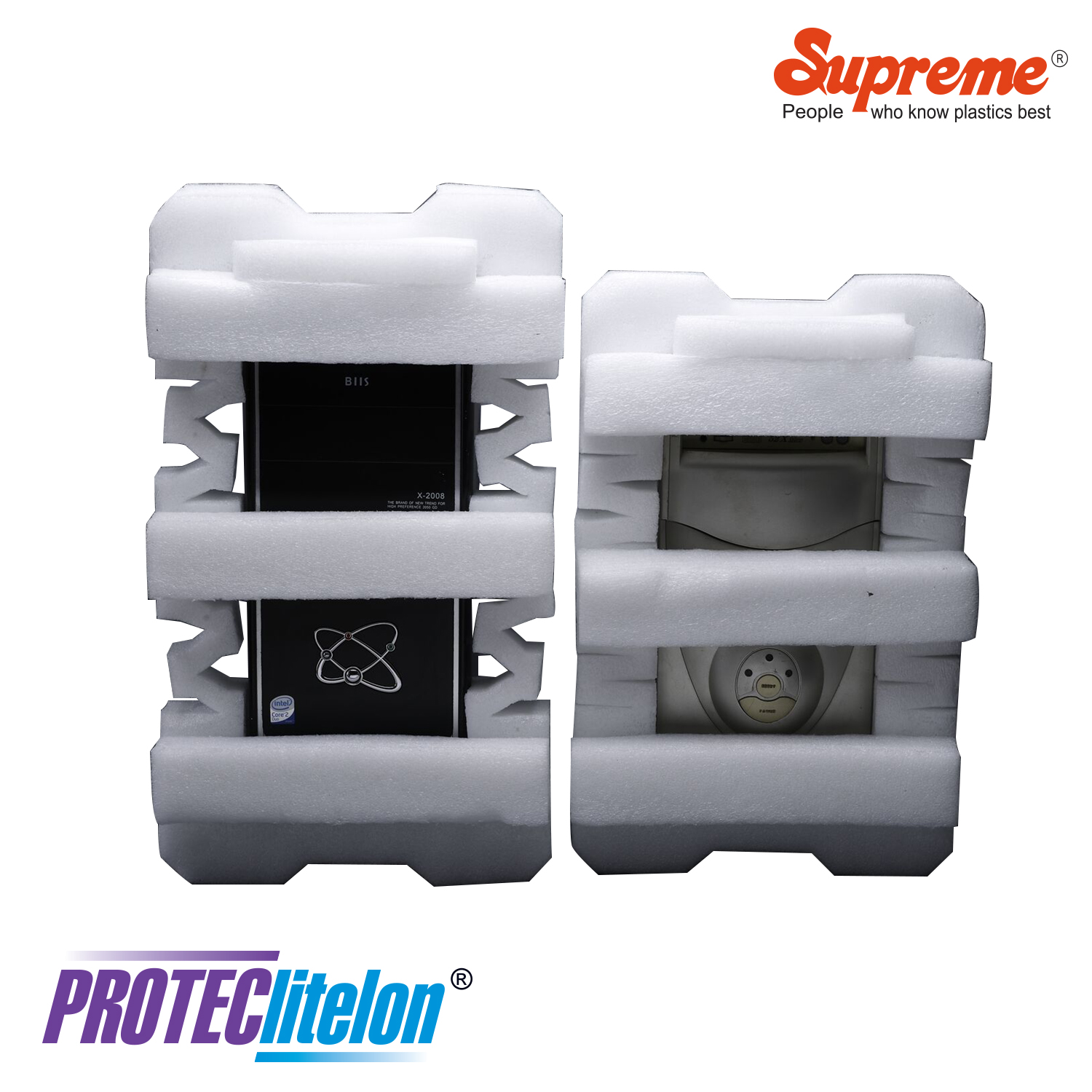
EPE foam, or expanded polyethylene foam, acts as a cushioning material by controlling how its cellular structure deforms under impact. When a packaged product experiences shock or vibration, the EPE foam sheet or EPE foam roll around it absorbs and spreads the kinetic energy throughout the foam, lessening the force that reaches the product's surface. This mechanism holds regardless of impact duration and direction, making it effective in unpredictable transit environments.
Expanded polyethylene foam sheet is a common choice for cushioning in pharmaceutical, electronics, automotive, and general industrial packaging because it combines low density with effective energy absorption, moisture resistance, and chemical neutrality. PE foam sheet is also non-abrasive, which is crucial when packaging finished or sensitive products. It's available in a range of GSM and thicknesses, suitable for everything from light interleaving to heavy-duty protection for components and sub-assemblies. The EPE foam roll format extends these properties into items that require continuous length, enabling automated wrapping, void fill, and supply chain configurations.
Where is the Air Bubble Roll Used Across Industrial and Commercial Packaging?
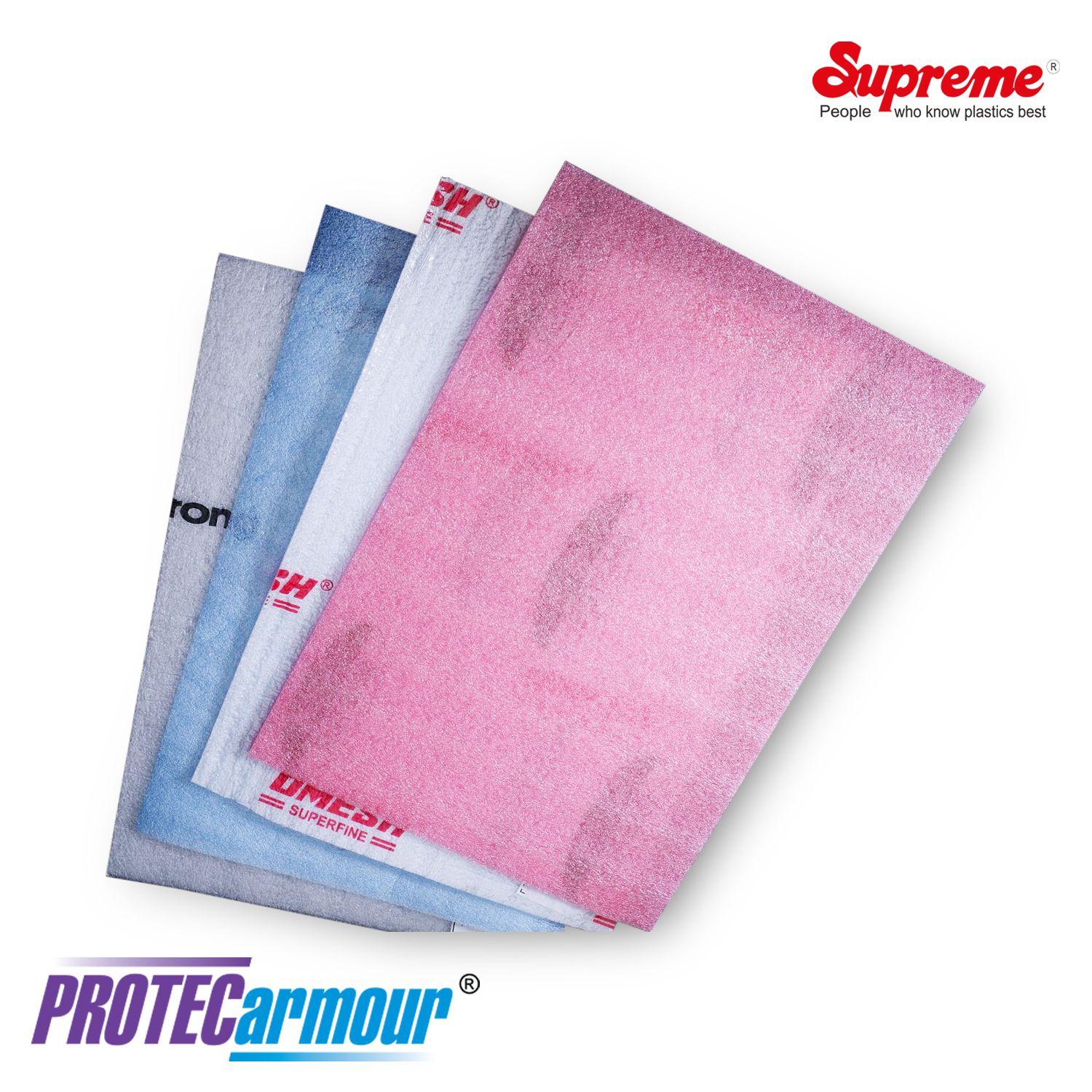
Air bubble roll provides surface protection and dampens vibrations. It consists of small air-filled hemispheres sandwiched between two layers of polyethylene film. The trapped air cells serve as individual cushions, absorbing localised impacts without transferring force to the product underneath. This makes air bubble wrap ideal for fragile goods, products sensitive to surface damage, and items susceptible to vibration damage during transport by road, rail, or air.
Key sectors for its use include electronics and semiconductor components, where protecting the surface from contact damage is crucial; glassware and ceramics; automotive components with precise surface specifications; e-commerce fulfilment; and export freight, where longer transit times can increase vibration exposure. The air bubble packing roll format is available in different bubble sizes, smaller for lighter, sensitive applications and larger for greater void fill and cushioning depth in secondary packaging.
Within this category, air bubble film roll refers to lighter, thinner films used to protect flat items like glass panels, ceramic tiles, mirrors, and printed materials, where the goal is surface separation rather than deep cushioning. Heavier air bubble sheet rolls and standard bubble wrap rolls are better suited for wrapping three-dimensional objects requiring multi-directional protection. Managers selecting these formats should match bubble diameter and film gauge to the product's fragility and surface finish.
EPE Foam vs XLPE Foam — Which Protective Packaging Material is Right for Your Application?
Choosing between EPE foam and XLPE foam involves material engineering, not cost. Both types are polyethylene-based foams, but they differ in their cellular structures and the performance that results from those structures. Expanded polyethylene foam is made through a physical expansion process, creating a soft, low-density open cell structure that is great for general cushioning. XLPE foam sheet, or cross-linked polyethylene foam, is produced through a chemical or radiation process that creates a closed-cell structure with much higher density, strength, and temperature resistance.
EPE Foam vs XLPE Foam — Key Performance Parameters
Parameter |
EPE Foam |
XLPE Foam |
|
Structure |
Open-cell, low-density |
Cross-linked, closed-cell |
|
Density |
Lower —lighter cushioning |
Higher — firmer, load-bearing |
|
Temperature resistance |
Moderate — standard ambient range |
High — industrial and automotive thermal environments |
|
Compressive strength |
Moderate — fragile product cushioning |
High — structural and mechanical load-bearing |
|
Chemical resistance |
Standard — general packaging use |
Elevated — oils, fuels, solvents |
|
Primary applications |
Pharma, electronics, general packaging |
Automotive, construction, aerospace, insulation |
|
Surface feel |
Soft, conforming |
Firm, resilient
|
Selecting the correct specification should consider the product's fragility, transit environment, and any chemical or temperature exposure.
XLPE foam performs better than standard EPE when the packaging must maintain its structure under sustained compressive loads, such as in automotive trays, aerospace parts, and construction insulation. It also performs better in temperature cycling situations. XLPE foam sheet retains its properties across a wider temperature range, making it suitable for automotive uses, industrial pipe insulation, and cold chain packaging where thermal performance is critical. For general pharmaceutical, electronic, and consumer goods packaging that primarily requires lightweight cushioning and surface protection, PE foam sheet in EPE grade remains a cost-effective and suitable option.
How Does Carpet Underlay Material Improve Flooring Durability and Comfort?
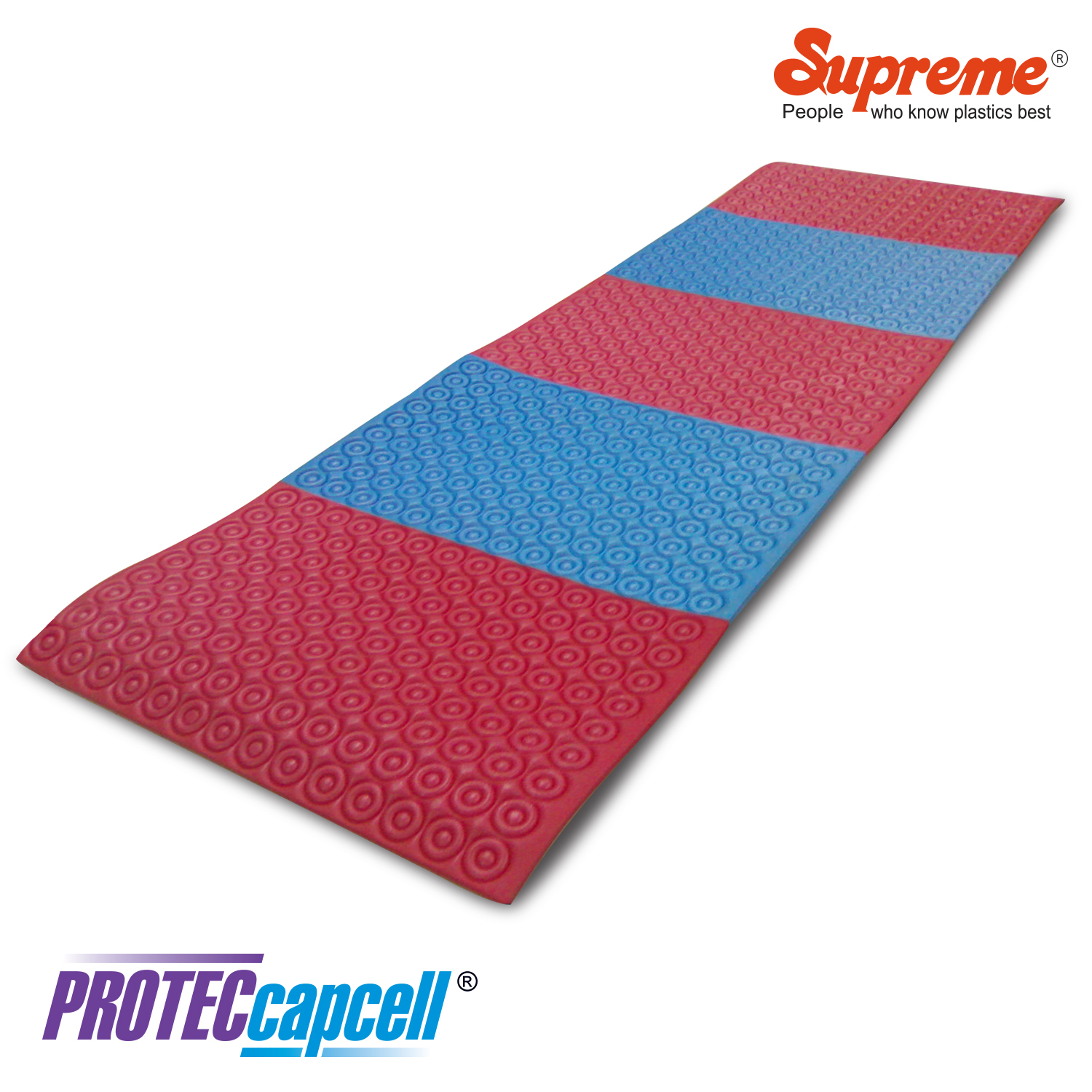
Carpet underlay material has three main roles in flooring systems: it absorbs impact energy underfoot, reduces noise transmission to the floor beneath, and extends the carpet's lifespan by preventing direct contact between the carpet backing and the hard subfloor. Foam grades of carpet underlay roll, such as PE and EPE foam, are used in residential, commercial, hospitality, gymnasium, and auditorium settings where both sound performance and comfort are key concerns.
In busy commercial settings such as retail spaces, hotel corridors, multipurpose halls, and auditoriums, the right carpet underlay material, with appropriate density and thickness, directly affects the perceived floor quality and maintenance costs over time. Foam mats also serve as protective solutions in industrial, gym, and sports environments, offering cushioning, anti-fatigue benefits, and surface protection for workers and equipment where a carpet is not suitable. Supreme's PROTEC range includes carpet underlay rolls and foam mats tailored for everything from residential comfort to heavy-duty industrial floor protection.
How Do Fruit Foam Nets Prevent Damage to Produce During Shipping?
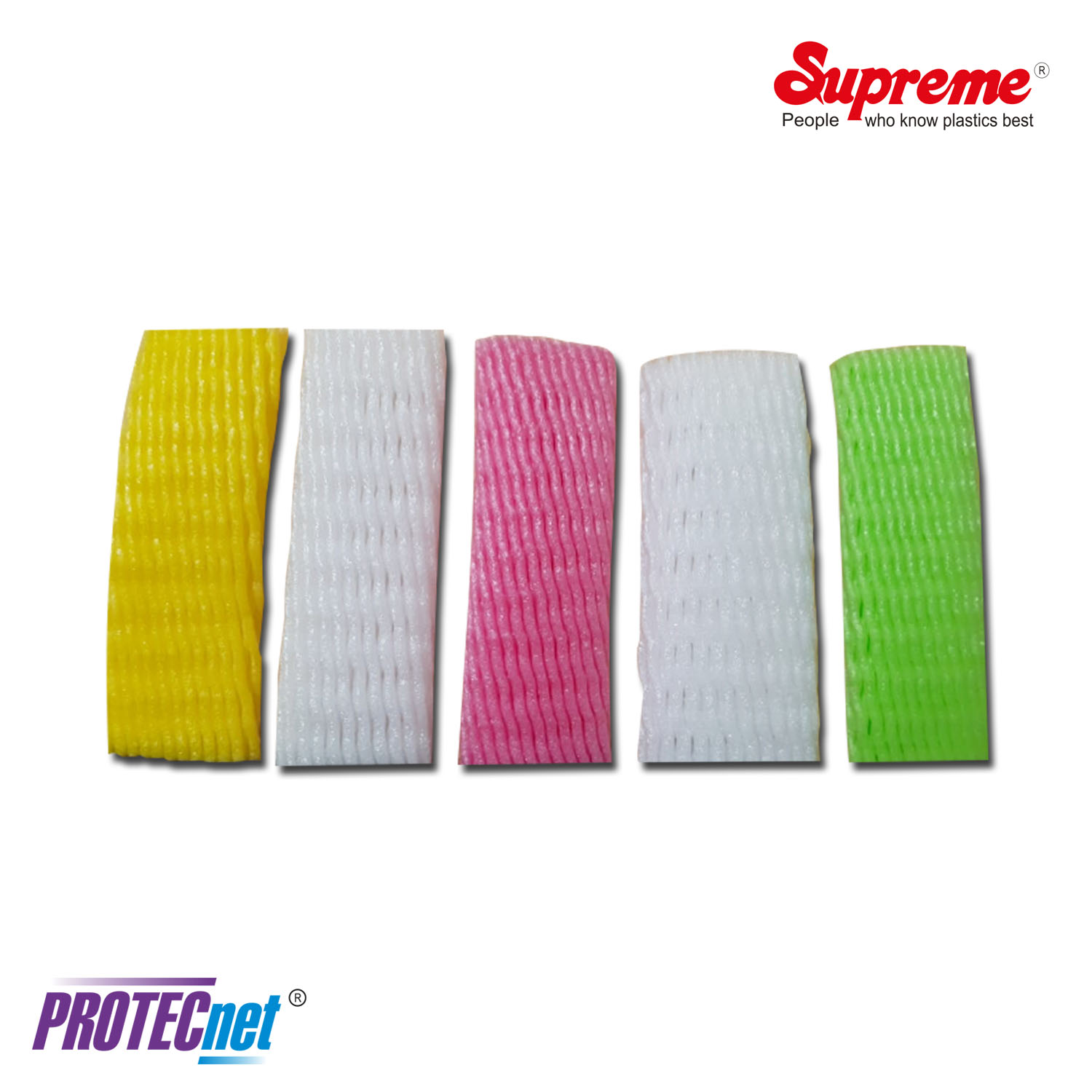
Fruit foam net packaging provides individual protection for delicate and high-value fruit during transportation and distribution. Unlike traditional cardboard separators or paper wraps, fruit foam nets fit the irregular shapes of different fruits. They absorb the pressure points that might cause bruising when fruits hit each other or the walls of packaging crates during transport.
The foam net allows for breathability, promoting air circulation around the fruit to support natural respiration and slow spoilage. It remains moisture resistant, preventing the net from soaking up water, adding weight, or encouraging mould growth in humid conditions. For export shipments of premium fruits such as mangoes, apples, pears, guavas, and citrus, fruit foam net packaging is the standard required by international retail buyers and wholesale importers to ensure zero damage upon arrival. Domestic distribution channels for organised retail and hospitality also prefer fruit foam nets to minimise waste and maintain the high presentation quality expected at premium prices.