

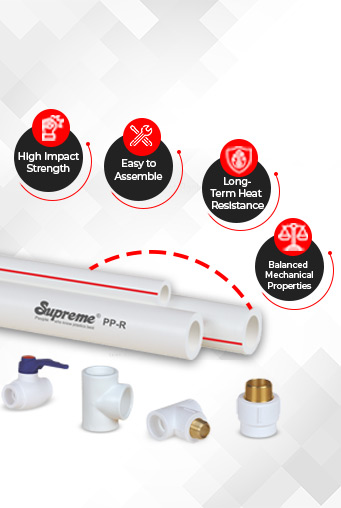
When it comes to plumbing, choosing the right pipes is essential for ensuring efficiency, durability, and minimal maintenance. The quality and type of pipes you select directly impact water flow, energy efficiency, and the long-term reliability of your system.
With a wide range of plumbing pipes available, selecting the right one for your residential or commercial project is essential. Durability, cost-effectiveness, and resistance to wear and tear are key factors that determine the efficiency and longevity of your plumbing system. One such option that has gained popularity in recent years is PPR pipes. But what exactly are they, and how do they differ from other pipes? Let’s explore their features and advantages to see if they’re the right fit for your building needs.
What are PPR pipes?
PPR pipes, also known as Polypropylene Random Copolymer pipes, are a high-performance plumbing solution known for their durability, heat resistance, and leak-proof connections. Made from a thermoplastic polymer, they are lightweight, non-corrosive, and capable of handling high-pressure water flow, making them ideal for residential, commercial, and industrial applications.
Among the various options available, Supreme PPR pipes stands out as the latest and most suitable system for all plumbing applications. Designed for both hot and cold water, its specific chemical structure provides well-balanced mechanical properties and superior long-term heat resistance. More importantly, the water flowing through it remains most hygienic, as it does not have any negative biological effects.
Supreme PPR pipes are available in sizes ranging from 20 to 160 mm in SDR 11 (PN 10), SDR 7.4 (PN 16), and SDR 6 (PN 20) pressure classes, conforming to IS 15801. The PPR pipe fittings are available from 20 to 160 mm in PN 20 and PN 25 pressure classes, conforming to ISO 15874, providing complete flexibility and compatibility for varied plumbing systems.
Applications of Supreme PPR pipes
Solar Heaters and Heating Systems – Ideal for use in solar water heaters, radiator heating, and traditional heating systems. Their heat-resistant properties ensure long-lasting performance in high-temperature applications.
Drinking Water and Liquid Food Transport – Made from non-toxic, hygienic materials, these pipes do not release harmful substances into the water. They meet international safety standards, ensuring safe and contamination-free drinking water and food transportation.
Water Purification Plants – Their high durability and chemical resistance make them suitable for use in water purification and treatment plants, where maintaining water quality is essential.
Greenhouse and Garden Irrigation – These pipes provide efficient and uniform water distribution for agricultural use, greenhouse irrigation, and garden watering, helping to maintain healthy plant growth.
Aggressive Fluid Transport – Supreme PPR pipes offer excellent resistance to corrosive and aggressive fluids, making them a safe choice for industrial and chemical applications.
Air Distribution and Compressed Air Systems – Used in HVAC systems, compressed air pipelines, and ventilation networks, these pipes ensure efficient airflow and maintain consistent pressure levels.
Download our Product brochure for more details: PPR Pipes and Fittings
Now that you understand what are PPR pipes and their wide-ranging applications, let’s explore their advantages in detail.
Lightweight and Easy Installation
Our PPR pipes are exceptionally lightweight, making them easy to handle, transport, and assemble. The simple installation process saves substantial time and labor, making them ideal for both residential and industrial projects.
Ideal and Safest for Potable Water
Designed to meet international standards for potable water transportation, our PPR pipes and fittings are completely free from corrosion and negative biological effects. Even under harsh water conditions, they do not break down or release harmful substances, ensuring the water quality remains intact.
Excellent Resistance to Corrosion and Chemical Attacks
PPR pipes offer outstanding resistance to a wide range of aggressive and toxic chemicals, as well as external environmental factors like aggressive soils and fluids. This feature guarantees long-lasting reliability, even in demanding industrial applications.
Withstands High Temperature and Pressure
Engineered to perform under extreme conditions, our PPR pipes can withstand temperatures of up to 95°C and pressures up to 16 kg/sqcm. This makes them ideal for both hot and cold water supply systems.
Safe and Watertight Joints
PPR pipes and fittings are joined using a polyfusion welding process that creates homogeneous, integral, and completely watertight joints. This fusion technique prevents leakage and enhances system longevity.
Reduced Head Loss and High Flow Efficiency
The mirror-smooth inner surface of PPR pipes minimizes friction and head loss, allowing water to flow freely at higher rates. This results in efficient water distribution and reduced pumping costs.
Low Thermal Conductivity
PPR pipes have excellent thermal insulation properties, reducing the need for additional insulation. This lowers operational costs for hot and cold water systems, making them highly energy-efficient.
Free from Scaling and Deposits
The unique properties of PP-R material prevent the formation of limescale or other deposits, ensuring consistent water flow and eliminating blockages throughout the pipeline’s lifespan.
High Impact Strength
Our PPR pipes are built to withstand rough handling during transport and installation, as well as operational stress. Their high impact strength minimizes the risk of breakage or damage.
Low Noise Operation
The sound-dampening properties of PPR pipes make them particularly suitable for applications such as plumbing, flushing, and pressurized flow systems, where noise reduction is essential.
Long Operational Durability
PPR pipes and fittings are designed for a minimum of 50 years of trouble-free performance under normal operating conditions, offering long-term reliability and peace of mind.
Highly Economical in the Long Run
With savings in installation, maintenance, and insulation costs, as well as resistance to frost, abrasion, and stray currents, PPR pipes are highly cost-effective over their operational life. They are especially suitable for use in seismic zones due to their flexibility and durability.
In today’s market, durability, safety, and efficiency are essential. PPR pipes have emerged as a reliable solution for both residential and industrial plumbing. They offer excellent resistance to corrosion, strong thermal and acoustic performance, and are easy to install. PPR systems not only meet but often exceed modern construction standards.
Whether building new or upgrading old systems, Supreme PPR pipes deliver lasting value and reliability. Backed by decades of global use, they're engineered for hygiene and high performance. Choose smart. Build strong. Trust PPR.
FAQs
1. Which is better, PPR or uPVC pipes?
Both PPR pipes and uPVC pipes have their advantages. PPR pipes are ideal for hot and cold water, high pressure, chemical resistance, and long-term durability. uPVC pipes are cost-effective, lightweight, and suitable for cold water or drainage systems. The best choice depends on your specific needs, such as temperature, pressure, and water quality requirements.
2. Is PPR good for hot water?
Yes, PPR pipes and fittings are designed to safely handle hot water up to 95°C, maintaining consistent flow, resisting deformation, and ensuring long-term reliability in plumbing systems.
3. Is PPR pipe safe for drinking water?
Yes, PPR pipes are non-toxic, corrosion-free, and comply with international potable water standards, ensuring safe, hygienic water supply without altering taste or quality.
4. Which is the best PPR pipe in India?
Supreme’s Indo Green PPR pipes and fittings are highly recommended, offering certified PP-R material, fusion-welded joints, long durability, and compliance with international standards for hot and cold water.
5. What is the difference between PPR and PVC pipe?
PPR pipes handle hot and cold water, resist chemicals, and have leak-proof fusion joints. PVC is mainly for cold water, drainage, or non-pressurized applications with limited heat tolerance.
6. Why are PPR pipes used?
PPR pipes and fittings are chosen for their durability, high chemical resistance, safety for potable water, leak-proof fusion joints, low scaling, sound insulation, and long-term operational reliability.
7. What is the difference between IPS and PPR pipes?
IPS is a pipe sizing standard, often for metallic pipes, whereas PPR pipes are polypropylene-based, designed for modern plumbing, potable water, and hot or cold water systems.
8. Are PPR pipes suitable for food-grade applications?
Yes, certified PPR pipes and fittings are safe for food-grade applications, chemically inert, corrosion-resistant, and suitable for potable water, beverages, and hygienic systems when standards are followed.
Other Blogs

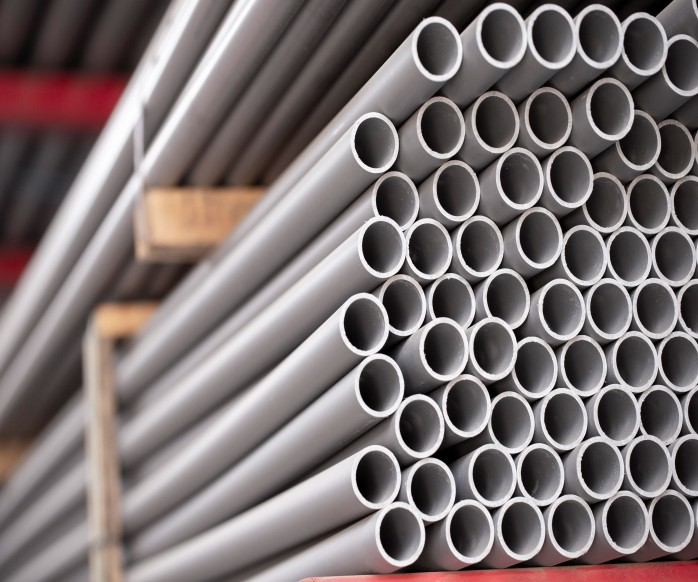
Pipe
Mar 18, 2024
Read Time: 13:43 minutes
A Guide to Choosing the Right Pipes for Your Plumbing Needs
CONTINUE READING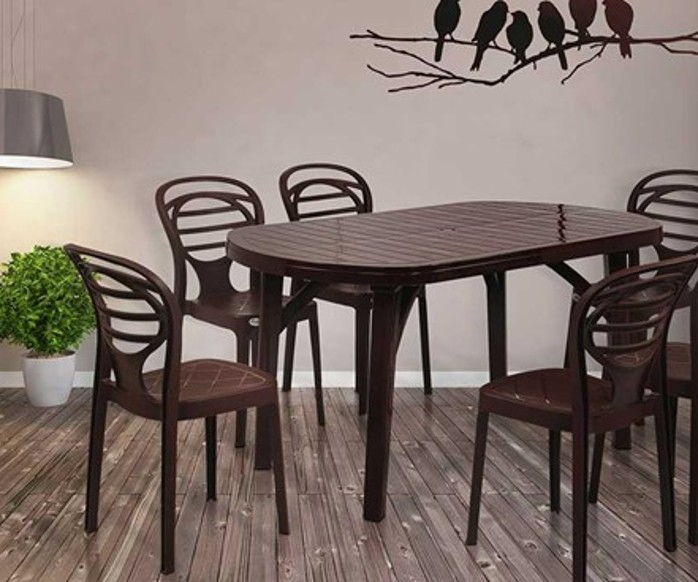
Furniture
Mar 20, 2024
Read Time: 15:11 minutes
Why plastic furniture is the smartest choice for your home?
CONTINUE READING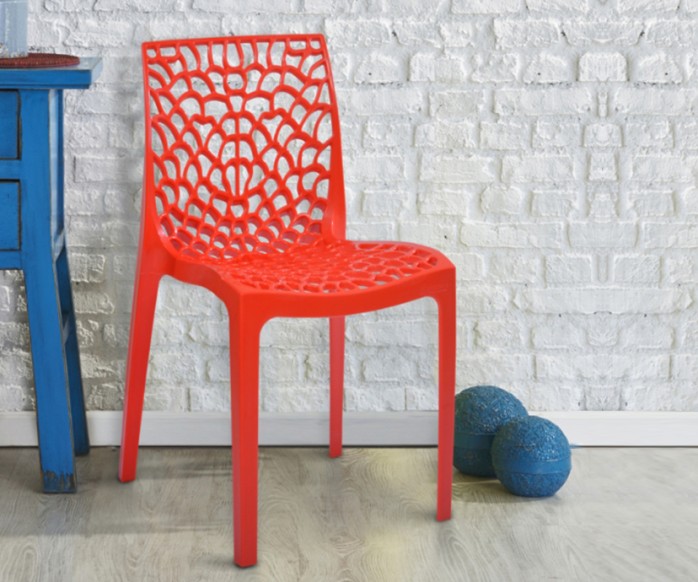
Furniture
Mar 29, 2024
Read Time: 3:30 minutes
Plastic chairs that perfectly suit every corner of your home
CONTINUE READING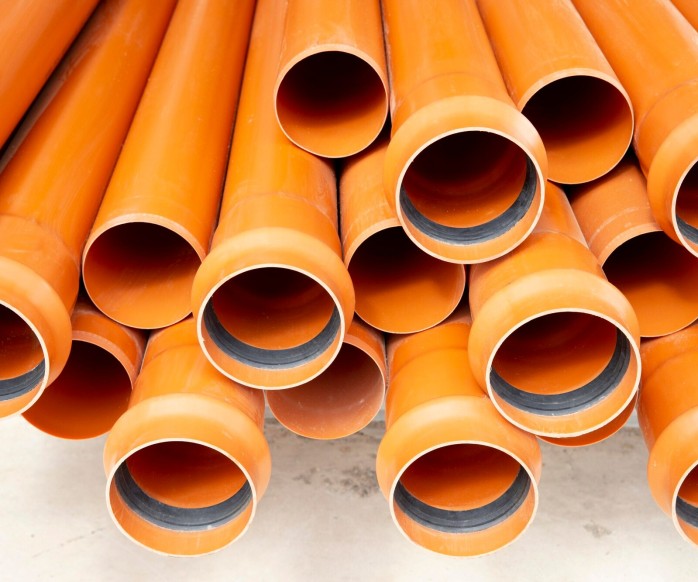
Pipe
Mar 29, 2024
Read Time: 3:30 minutes
Why Choose Supreme as your trusted partner for plumbing solutions?
CONTINUE READING
Furniture
May 22, 2024
Read Time: 3:30 minutes
Maximising Utility with Multipurpose Plastic Cabinets and Versatile Storage Solutions
CONTINUE READING
MHD
May 24, 2024
Read Time: 3:30 minutes
Plastic Crates Types and Features for Efficient Storage Solutions
CONTINUE READING
Pipe
Jun 12, 2024
Read Time: 3:30 minutes
What are CPVC Pipes: Applications and Benefits
CONTINUE READING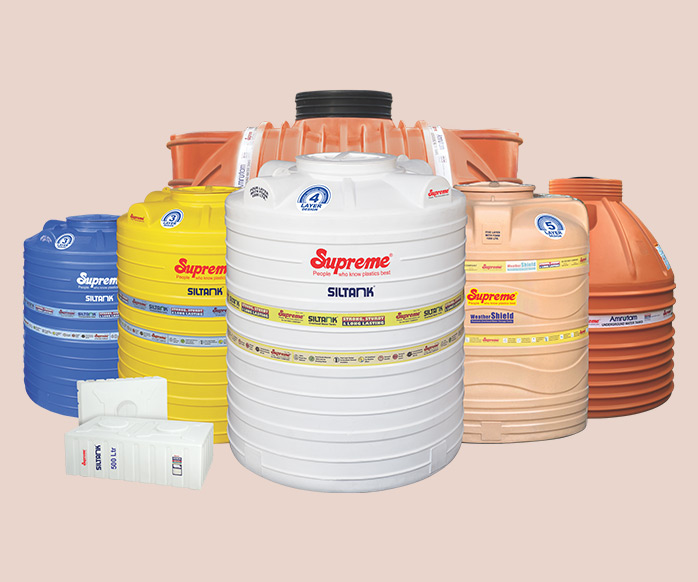
Pipe
Jul 26, 2024
Read Time: 02:55 minutes
Exploring the Versatility of Plastic Water Tanks and Its Features
CONTINUE READING
MHD
Jul 26, 2024
Read Time: 02:55 minutes
Dry and wet waste segregation and management through different dustbins
CONTINUE READING
Furniture
Jul 26, 2024
Read Time: 03:00 minutes
10 Reasons Why Plastic Chairs Are Perfect for Any Occasion
CONTINUE READING
PPD
Aug 23, 2024
Read Time: 03:00 minutes
Top 5 Swimming Accessories - Must-Have Gears for Every Swimmer
CONTINUE READING
XF
Aug 28, 2024
Read Time: 03:00 minutes
Multiple usage of the best quality tarpaulin sheets
CONTINUE READING
Furniture
Oct 09, 2024
Read Time: 03:00 minutes
Supreme’s Weather-Resistant Outdoor Furniture for All-Season.
CONTINUE READING
XF
Oct 11, 2024
Read Time: 03:00 minutes
Everything you need to know about rainwater harvesting
CONTINUE READING
Furniture
Jan 16, 2025
Read Time: 03:00 minutes
How to Choose the Right Cafe Chairs for Your Space
CONTINUE READING
Pipe
Apr 22, 2025
Read Time: 02:55 minutes
Why CPVC is The Best Pipe for Home Plumbing Systems
CONTINUE READING
Pipe
Apr 23, 2025
Read Time: 02:55 minutes
Plastic Tanks vs. Concrete Water Tanks: Choosing the Right Storage Solution
CONTINUE READING
Furniture
Apr 29, 2025
Read Time: 02:55 minutes
A Complete Guide to Choosing Furniture for Pre-Schools, Play Schools, and Schools
CONTINUE READING
Furniture
May 22, 2025
Read Time: 02:50 minutes
Plastic Drawer Cabinets: Simplifying Home & Office Storage
CONTINUE READING
Furniture
Jun 16, 2025
Read Time: 02:50 minutes
Organize and Display: The Dual Functionality of See-Through Panels
CONTINUE READING
Pipe
Jun 16, 2025
Read Time: 02:50 minutes
Why PVC Conduit Pipes Are Ideal for Electrical Wiring
CONTINUE READING
Pipe
Sep 19, 2025
Read Time: 02:50 minutes
Choosing the Right Drainage Pipe: Key Factors to Consider
CONTINUE READING
Pipe
Nov 20, 2025
Why DWC HDPE Pipes are Preferred for Infrastructure Electrical Wiring
CONTINUE READING
Furniture
Nov 20, 2025
Read Time: 02:50 minutes
Key features to look for in nursery school furniture.
CONTINUE READING
Furniture
Dec 30, 2025
Read Time: 02:50 minutes
How to Create a Stylish Garden Seating Area Using Plastic Furniture
CONTINUE READING
Pipe
Jan 12, 2026
Read Time: 02:50 minutes
What is a Casing Pipe? Features and Benefits
CONTINUE READING
Furniture
Jan 22, 2026
Read Time: 02:50 minutes